The American College of Sports Medicine has published its 2027 Worldwide Fitness Trends, and the biggest headline for anyone who lifts is this: Pilates, yoga, barre and mobility work now rank No. 3. That category, which ACSM calls balance, flow and core strength, climbed two places and now sits two spots above traditional strength training at No. 5.
The report came out on October 20, 2026 in ACSM’s Health & Fitness Journal. It ranks the 20 trends that more than 1,400 fitness professionals say they see most widely across the industry. Wearable technology is No. 1 again, group fitness classes jumped six places, and fitness at home made its way back into the top 20.
Use the tool below to pick the way you train and see where it ranks for 2027, how far it moved since last year, and how it stacks up against all 20 trends.
Pick the way you train most. See where it lands in the American College of Sports Medicine’s new top 20, and how far it moved since last year.
Choose an option above to see your 2027 rank.
Biggest movers, 2026 to 2027
Places gained or lost in ACSM’s top 20. Hover or tap a row for details.
Compare all 20 trends
| 2027 | Trend | Change |
|---|
Source: McAvoy CR, et al. 2027 ACSM Worldwide Fitness Trends: Future Directions of the Health and Fitness Industry, ACSM’s Health & Fitness Journal, Nov/Dec 2026 (published Oct 20, 2026), and the 2026 ACSM trends report. Rankings come from a survey of more than 1,400 fitness professionals who rated 50 possible trends on how widely they see them in the industry. A rank is not a measure of how many people do a workout or how well it works. Rankings © American College of Sports Medicine, reported here for news purposes. Widget by Garage Gym Products.
Key Findings
- Wearable technology is No. 1 for the 10th time. It has been in the top three every year since it entered the survey in 2016.
- Mobile exercise apps climbed from No. 4 to No. 2, the same spot they held in 2025.
- Balance, flow and core strength rose from No. 5 to No. 3. This is the category that covers Pilates, yoga, barre and mobility training.
- Traditional strength training rose from No. 7 to No. 5. Barbells, dumbbells, kettlebells and bands all count here.
- Group fitness classes made the biggest jump in the top 10, from No. 13 to No. 7.
- Hot and cold therapies rose six places to No. 11, their highest ranking so far.
- Adult recreation and sport clubs fell the furthest, from No. 9 to No. 17.
- Five trends are new or back in the top 20: influencer-led programs, personal training, competitive fitness events, massage and compression tools, and fitness at home.
The 2027 Top 20 at a Glance
ACSM asked professionals to rate 50 possible trends on a scale of 1 (not a trend) to 10 (definitely a trend), based on how widely they see each one in the industry. ACSM then ranks the trends by those ratings. Here is the full ranking, with each trend’s 2026 position for comparison.
| 2027 rank | Trend | 2026 rank | Change |
|---|---|---|---|
| 1 | Wearable technology | 1 | No change |
| 2 | Mobile exercise apps | 4 | +2 |
| 3 | Balance, flow and core strength | 5 | +2 |
| 4 | Fitness programs for older adults | 2 | -2 |
| 5 | Traditional strength training | 7 | +2 |
| 6 | Exercise for weight management | 3 | -3 |
| 7 | Group fitness classes | 13 | +6 |
| 8 | Data-driven training technology | 8 | No change |
| 9 | Exercise for mental health and well-being | 6 | -3 |
| 10 | Influencer/ambassador-led fitness programs | Not in top 20 | Returned |
| 11 | Hot and cold therapies | 17 | +6 |
| 12 | High-intensity interval training (HIIT) | 12 | No change |
| 13 | Functional fitness training | 10 | -3 |
| 14 | Personal training | Not in top 20 | Returned |
| 15 | Competitive fitness events | Not in top 20 | New |
| 16 | Massage, vibration and compression | Not in top 20 | New to top 20 |
| 17 | Adult recreation and sport clubs | 9 | -8 |
| 18 | Outdoor fitness activities | 18 | No change |
| 19 | Youth athletic development | 20 | +1 |
| 20 | Fitness at home | Not in top 20 | Returned |
Five trends from the 2026 list dropped out to make room for the newcomers:
- Specialized fitness studios (boutiques), No. 11 in 2026
- Exercise for chronic disease management, No. 14 in 2026
- Employing certified exercise professionals, No. 15 in 2026
- Exercise in physical rehabilitation and adaptive training, No. 16 in 2026
- Commercial and multipurpose gyms (big box), No. 19 in 2026
What the Rankings Mean for Lifters and Home Gyms
Strength Training Climbed, Even if Pilates Climbed Higher
The Pilates headline has been read as bad news for lifting. The numbers say otherwise. Traditional strength training gained two places, the same as balance, flow and core strength. Both categories moved up. Pilates and mobility simply started higher.
ACSM describes traditional strength training as resistance work built on good technique and steady progression, using barbells, adjustable dumbbells, kettlebells and resistance bands. If you are still deciding between the last two, our kettlebells vs dumbbells breakdown covers which builds more muscle at home.
Strength also travels well. ACSM says it ranked in the top three in just under half (43.8%) of the countries and regions that ran their own version of the survey. Lithuania and Mexico both put it at No. 1.
There is still a gap between what professionals see and what most people do. The CDC advises adults to do muscle-strengthening activity on at least two days a week, and ACSM’s 2026 report noted that fewer than 30% of U.S. adults meet that guideline. A solid weight bench and a pair of dumbbells cover most of it.
Why Pilates and Mobility Are Rising
ACSM credits the growing popularity of Pilates, yoga and barre for pushing balance, flow and core strength into the top three. It ranked in the top three for group exercise instructors, medical professionals, recreation professionals, students and university staff.
Newer professionals were keener on it. ACSM says respondents with one to six years in the field scored it higher than those with seven or more. In Australia’s survey, Pilates was the No. 1 trend outright.
For lifters, this is less a rival than an add-on. Core control and mobility carry over into squats, presses and pulls. A move like this hanging leg raise variation is an easy way to train the same qualities without leaving the garage.
Fitness at Home Is Back in the Top 20
Fitness at home returned to the list at No. 20. It is the lowest spot on the table, but it is back after missing the 2026 top 20. Mobile exercise apps at No. 2 point the same way: people want workouts that fit around their day, wherever they are.
If you are building or upgrading a setup, start with our home gym essentials and budget equipment picks, then look at smart home gym equipment if you want app-led training built in.
Tech Still Leads the List
Wearables Hold No. 1 for the 10th Time
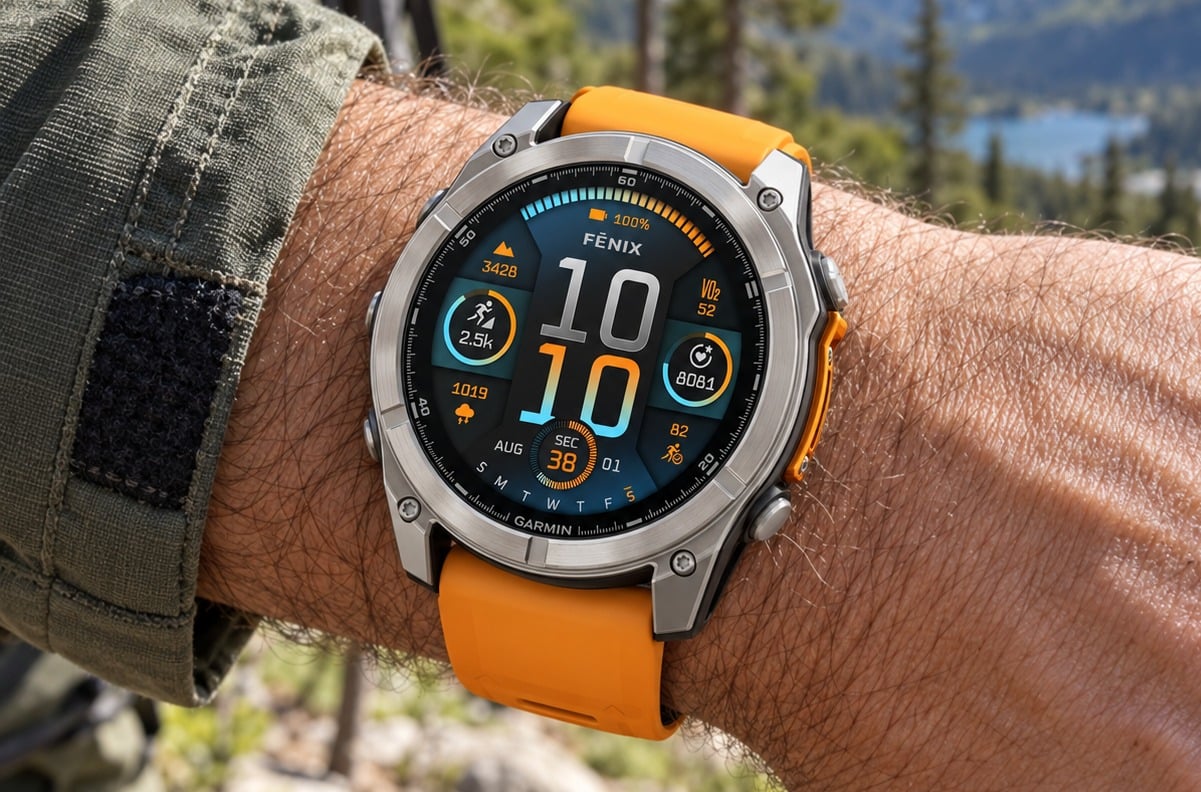
Wearable technology was the only trend to make the top three across every professional role, work setting and experience level in the report. ACSM’s definition covers fitness trackers, smartwatches, heart rate monitors and GPS trackers that report heart rate, sleep, recovery and activity.
The wearable makers are pushing further too. Oura and Whoop are moving deeper into healthcare, and Garmin has bought into training software.
Apps and Data-Driven Training
Mobile exercise apps moved from No. 4 back up to No. 2. Data-driven training technology held at No. 8 for the second year running. That trend covers using heart rate variability, sleep quality, training load and estimated VO2max to decide how hard to train on a given day.
Athletic trainers rated data-driven training No. 2, well above its overall rank. ACSM links that to return-to-play and readiness decisions, where objective numbers matter most.
Recovery and Racing Are the Breakout Entries
Hot and Cold Therapies Reach No. 11
Saunas, cold plunges and other thermal therapies climbed six places, from No. 17 to No. 11. That is the highest this trend has ranked since it first appeared at No. 20 in the 2025 survey.
Massage, Vibration and Compression Debuts at No. 16
Recovery tools made the top 20 for the first time. If a massage gun is on your list, our Theragun review compares the Pro, Elite, Prime and Mini.
Competitive Fitness Events Enter at No. 15
This was the first year ACSM included competitive fitness events in the survey, and the trend went straight in at No. 15. Think Hyrox-style races and gym-based competitions. We covered the 2026 Hyrox world titles in Stockholm and Spartan’s new Deka gym format. Most training for these events fits on an air bike and a rower.
Who Fell, and Why It Matters
- Exercise for weight management fell from No. 3 to No. 6. ACSM’s description now stresses preserving muscle and function as obesity management medications become more widely used. Our piece on trainers becoming longevity coaches looks at that shift, and the gym calorie calculator and a good smart scale help if weight is your goal.
- Adult recreation and sport clubs dropped from No. 9 to No. 17. This is the pickleball and social league category.
- Functional fitness training slipped from No. 10 to No. 13. It still sits in the top five in seven countries’ surveys. A functional trainer or a weighted vest plan keeps it in a home routine.
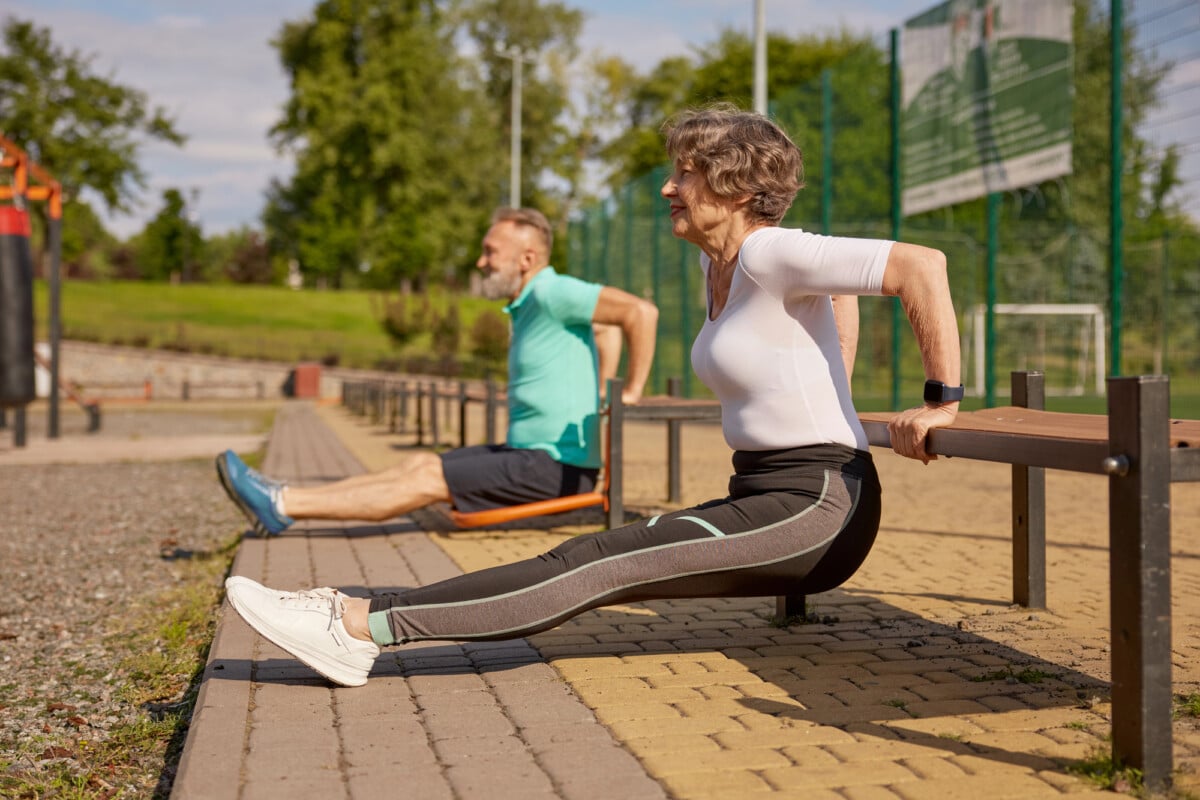
- Fitness programs for older adults fell from No. 2 to No. 4, but stayed in the top five for a fifth year. Our guide to why strength and power matter long term explains why this group keeps ranking high.
- Exercise for mental health fell from No. 6 to No. 9, though it has made the top 10 every year since it was added in 2024.
Group fitness went the other way. Its six-place jump fits wider industry data. The Health & Fitness Association says 81 million Americans were members of a fitness facility in 2025, and its tracker found gym visits through mid-2026 ran 1.5% ahead of 2025’s record pace. Our look at gym and studio joins covers what that means if you train at home. Youth athletic development, meanwhile, edged up from No. 20 to No. 19, in line with youth fitness and sport moving closer together.
How the U.S. Compares With the Rest of the World
ACSM’s partners in other countries ran the same survey. Their top three picks show how much local markets differ. Personal training ranked in the top three in eight of 16 countries, more than any other trend, even though it ranked only No. 14 in the main list.
| Country | No. 1 | No. 2 | No. 3 |
|---|---|---|---|
| Algeria | Data-driven training technologies | Wearable technology | Adaptive fitness and inclusive training |
| Australia | Pilates | Wearable technology | Exercise for mental health and well-being |
| Brazil | Personal training | Traditional strength training | AI-driven fitness |
| China | Exercise is Medicine | Exercise for weight management | Lifestyle medicine |
| Cyprus | Personal training | Functional fitness training | Small-group training |
| Finland | Wearable technology | Outdoor fitness activities | Mobile exercise apps |
| Greece | Wearable technology | Small-group training | Traditional strength training |
| Lebanon | Personal training | Group fitness classes | Traditional strength training |
| Lithuania | Traditional strength training | Group fitness classes | Personal training |
| Mexico | Traditional strength training | Exercise for weight management | Functional fitness training |
| Poland | Group fitness classes | Traditional strength training | Wearable technology |
| Portugal | Employing certified exercise professionals | Personal training | Hybrid training |
| Spain | Small-group training | Functional fitness training | Fitness programs for older adults |
| Taiwan | Fitness programs for older adults | Exercise is Medicine | Personal training |
| Turkey | Functional fitness training | Exercise for weight management | Personal training |
| UAE | Personal training | Group fitness classes | Traditional strength training |
Traditional strength training shows up in seven of those 16 top threes. Wearable technology appears in five. Four of those five put wearables at No. 1 or No. 2.
How to Use the Widget
- Open the drop-down and choose the option that best matches how you train or recover most often.
- Your result shows your trend’s 2027 rank, its 2026 rank and how many places it moved.
- The movers chart shows every trend’s gain or loss. Hover or tap a row to see what the trend covers.
- Use the filter buttons under Compare all 20 trends to see only the climbers, the fallers, or the new and returning entries.
- Press Copy result to copy a short line you can paste into a group chat or a Reddit comment.
About the Data
The rankings come from the American College of Sports Medicine’s annual Worldwide Survey of Fitness Trends, now in its 21st year. The lead author is Cayla R. McAvoy, PhD, chair of ACSM’s Trends Workgroup.
- 2027 ACSM Worldwide Fitness Trends, ACSM’s Health & Fitness Journal, November/December 2026 issue.
- ACSM news release, October 20, 2026, with the top 10 and survey details.
- ACSM Fitness Trends resource page, with notes on each top 10 trend.
- ACSM 2027 trends slide deck (PDF), with methods and the country table.
- ACSM 2027 top 10 infographic (PDF).
- ACSM 2026 trends release, used for last year’s ranks.
- CDC physical activity guidelines for adults, HHS Physical Activity Guidelines for Americans and ACSM’s guidelines hub.
A few things to keep in mind. The survey went out by email through ACSM’s channels in April and May 2026, so respondents chose to take part. ACSM says professionals rated how widely they see each trend, not their personal preference or its health benefits. A high rank reflects visibility in the industry. It does not prove a workout or product works, and it does not tell you how many people do it. The 2026 survey drew about 2,000 respondents, so the two years’ pools are not identical.
FAQ
What is the No. 1 fitness trend for 2027?
Wearable technology. It tops ACSM’s list for the 10th time and has been in the top three every year since 2016.
Did Pilates really beat weightlifting?
In the rankings, yes. Balance, flow and core strength, which includes Pilates, yoga, barre and mobility work, ranked No. 3. Traditional strength training ranked No. 5. Both moved up two places from 2026.
Where does home fitness rank for 2027?
Fitness at home returned to the top 20 at No. 20 after missing the 2026 list. Mobile exercise apps, which many home lifters use, ranked No. 2.
Where does HIIT rank?
High-intensity interval training held at No. 12, the same as in 2026. It was No. 6 in 2025.
What are the new trends for 2027?
Competitive fitness events entered at No. 15 in their first year in the survey. Massage, vibration and compression entered the top 20 for the first time at No. 16. Influencer-led programs, personal training and fitness at home all returned.
How many people took the ACSM survey?
ACSM says the featured rankings draw on responses from more than 1,400 fitness professionals, who rated 50 possible trends.
Does a high ranking mean a workout is better?
No. ACSM is clear that a ranking reflects how visible a trend is in the industry. It is not a measure of effectiveness or popularity with the public.