
New work in exercise science and clinical geriatrics reinforces a simple point: both maximal strength and the ability to produce force quickly (power) matter for long-term health and daily function. For anyone who trains at home, programs clients, or wants to move well into later life, that means programming should deliberately target both qualities or not one or the other. Strength gives you the capacity to move heavy objects and tolerate load; power is what lets you react, accelerate, and recover balance when it matters.
Why this matters for lifters and home gym owners
Put bluntly: strength without speed can leave you slow, and speed without a strength base leaves you fragile. Strength training increases the maximal load you can control think heavier squats, safer deadlifts, and more resilient joints. Power training raises the rate of force development, which translates into quicker rises from a chair, faster changes of direction, and better balance recovery after a trip.
For older adults, this combination is directly linked to independence. For athletes and weekend warriors, it’s the difference between being powerful in a sprint and being able to absorb contact or decelerate without injury. Programming that ignores one quality risks leaving gaps that reduce performance and increase the likelihood of everyday mishaps.
What the industry is doing
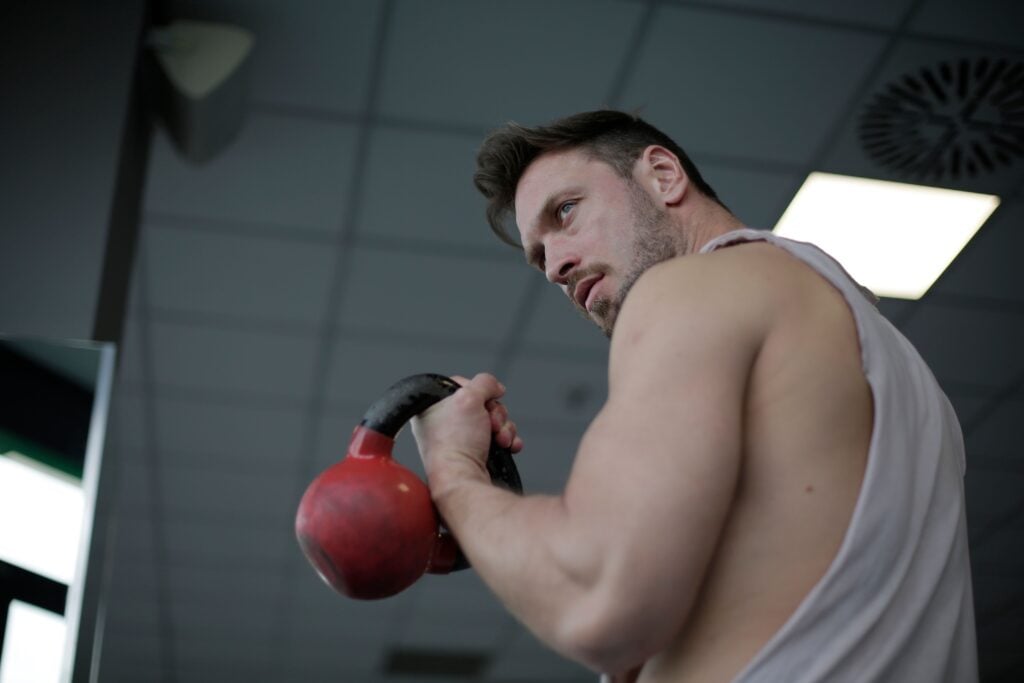
Manufacturers and gym operators are responding by offering equipment and programming aimed at both slow heavy work and fast, ballistic movements. That has practical implications for home gym owners: you no longer need a separate, specialized setup to train power. Versatile pieces now bridge the gap between heavy compound lifting and explosive training, making it easier to design balanced programs in a limited space.
For practical shopping, prioritize multi-use gear and tools that support both heavy and fast work. For example, a robust rack that handles loaded barbells and dynamic movements is a better long-term investment than buying single-purpose devices. Consider the stability and footprint of the rack you choose and whether accessories like band peg compatibility or plate storage suit your training. If you use bands for speed work or assistance, premium band sets and anchors expand what you can do with minimal space.
Strength vs. power: a quick comparison
| Quality | What it means | Typical training focus | Home gym tools |
|---|---|---|---|
| Strength | The maximum force you can produce against resistance | Heavy loads, slow controlled lifts, progressive overload, low–moderate reps | Barbell and plates, power rack, heavy dumbbells, resistance bands |
| Power | How quickly you apply force — rate of force development | Explosive concentric intent, plyometrics, ballistic variations, light-to-moderate loads | Kettlebells and lighter barbells, plyo box, medicine ball, bands for speed work |
Training implications: how to add both to a practical plan
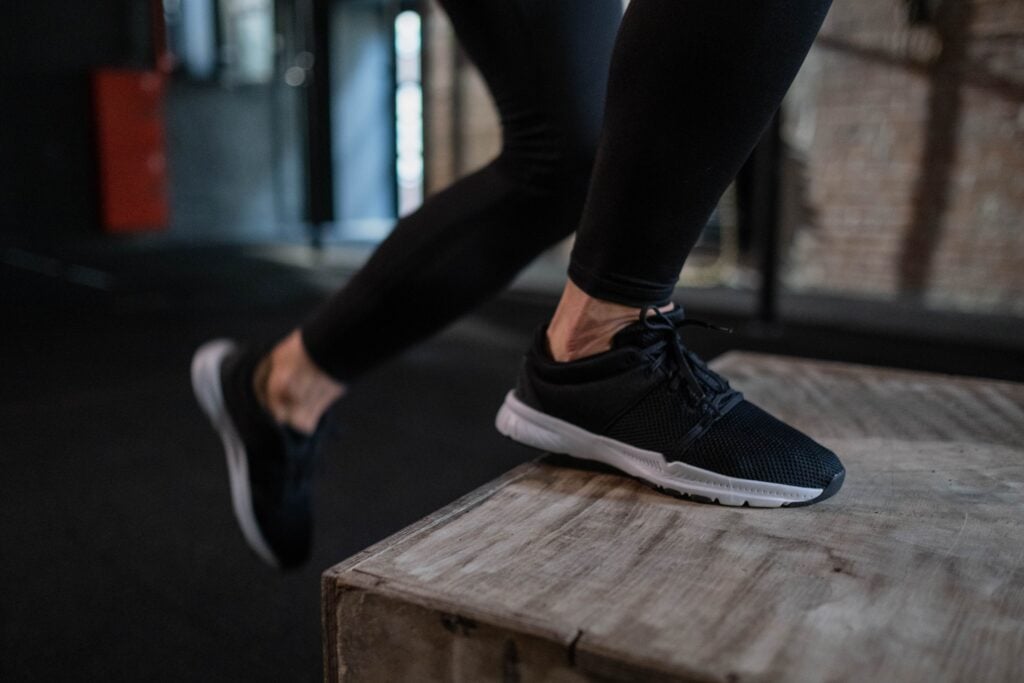
You don’t need to double your weekly sessions to get both. Instead, structure workouts so one or two days emphasize heavy strength and one session — or even a short block within a session targets speed and explosiveness. The simplest effective plan balances neurological demand with recovery.
- Anchor your week with strength. One to two sessions that focus on compound lifts (squat variations, deadlifts, presses) at intensities that progressively overload the muscle and connective tissue. Typical ranges: 3–6 sets of 3–8 reps for main lifts, depending on your goals.
- Insert dedicated power work. Once or twice per week, do low-volume, high-quality explosive work: kettlebell swings, medicine ball throws, loaded jump squats, or velocity-focused barbell moves. Keep sets short (3–6 reps) and rest long enough to preserve speed between efforts.
- Use contrast methods selectively. Pairing a heavy set with a lighter, explosive movement can “prime” the nervous system (e.g., heavy squat followed by box jumps), but keep total volume low and prioritize technique.
- Monitor fatigue. Power work is neurologically fatiguing. If your bar speed drops or form deteriorates, cut volume or frequency rather than forcing progression.
- Progress with intent. Track bar speed, rep quality, or simply how the lift feels. Increase load or velocity across weeks, not days.
Practical exercise examples (no fancy gear required)
- Strength session: Trap bar or back squat, 3–5 sets of 3–6 reps at a challenging but controlled load, followed by 2–3 accessory sets for posterior chain and core.
- Power session: Two-handed kettlebell swings (5–6 sets of 5–8 reps), standing medicine ball chest throws (3–5 sets of 3–6), and single-leg pogo hops for reactive ability.
- Mixed session: Heavy squat top sets followed by 3 low-volume box jumps or a set of loaded jump squats to train both force and velocity in the same workout.
Equipment choices for a home setup that supports both
Focus on items that do double duty. A high-quality rack plus a barbell and plates give you the heavy base. Add a few implements that let you move fast without risking form: kettlebells, a stable plyo box, and a medicine ball. Bands expand options for speed-assisted and resisted work and are cheap and space-efficient.
- Barbell and plate set with a sturdy rack built to handle dynamic lifts — a reliable power rack is the backbone of a home strength setup; consider options like the rep fitness pr 5000 v2 power rack if you need one that stands up to heavy and varied use.
- Kettlebells or adjustable dumbbells for ballistic work and conditioning.
- Plyo box or stackable steps for jumps and safer landing practice.
- Medicine ball or sandbag alternatives for throws and carries — stone or sandbag implements add messy loads that build real-world strength.
- Resistance bands for velocity training and assistance; good band sets let you do speed squats, band-resisted jumps, and other power drills — check out options like the rep pull up bands for a durable, versatile set.
- If you want a simple, heavy bar for pressing and pulling, an investment in a sturdy power bar is worthwhile — see tools like the fringe sport 20kg power bar for a basic, purpose-built option.
How this affects recovery and nutrition
Adding power sessions changes the recovery profile more than it changes calorie needs. The nervous system pays the biggest tax. Sleep, adequate protein, and simple day-to-day recovery (mobility, active recovery sessions) matter more than fancy supplements.
Practical guidelines:
- Keep protein intake steady across the day — aim for a portion at each meal to support repair and strength gains.
- Prioritize quality sleep to preserve nervous system function between explosive sessions.
- Use light aerobic work or mobility on off days to improve blood flow and reduce stiffness without blunting adaptations.
- When in doubt, reduce volume before intensity. Preserve bar speed and technique over chasing numbers.
Who should change their program now
If your training consists almost entirely of slow, heavy sets and you notice stiffness, slower balance reactions, or reduced sprint and jump ability, adding controlled power work will pay dividends. Conversely, if your training is mostly conditioning and you lack capacity to handle load, a focused strength block will raise your ceiling and lower injury risk.
Beginners should start light and low-volume with power work. Technique matters: poorly executed explosive movements increase risk. Consider a coach or a short supervised block if you’re unsure how to progress safely.
Quick checklist to apply this research to your training
- Add at least one dedicated strength day per week.
- Include one focused power session every 7–10 days or two short power blocks across the week.
- Buy versatile equipment that supports both heavy and explosive work rather than single-use gadgets.
- Monitor bar speed, movement quality, and overall fatigue; reduce volume if speed or form drops.
- If needed, consult a coach for progressions and technical feedback on explosive lifts.
Final note for home gym owners
Training both strength and power is practical and cost-effective. Strength builds capacity; power gives you usable speed. Together they improve performance, reduce fall risk, and keep daily tasks manageable as you age. You don’t need exotic devices — a solid rack, a good bar, some kettlebells, a box, and bands will let you cover the basics well. Prioritize gradual progression, respect recovery, and focus on quality reps. Over months, that balanced approach will show up in heavier work done with more confidence and faster, more reliable movement when it matters most.