

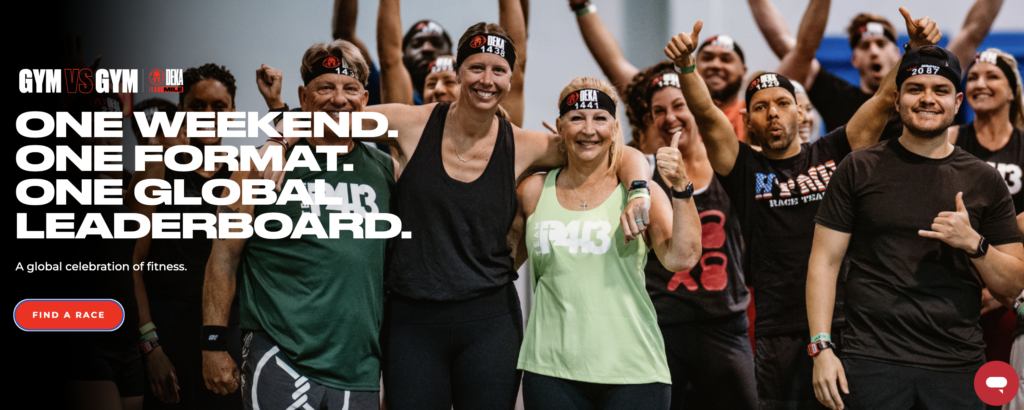
Spartan’s Deka is introducing a new fitness competition format built specifically for gyms, expanding the brand’s footprint beyond individual-style events. The move fits a wider trend in functional fitness: people want race-day energy, but they also want something that can live inside a local training facility.
The new format is meant for affiliate gyms worldwide and adds another lane to the growing market for standardized fitness competitions. For gym owners, that can mean a new event to program and promote. For athletes, it creates a competition experience that is more accessible than traveling to a large standalone race.
It is also another sign that the competition fitness space is still evolving. The excerpt only confirms the launch and the gym-focused angle, but that alone tells us something important: the model behind high-energy, score-based fitness events is spreading into more places where people already train.
Why A Gym-Based Format Matters
Standardized events work because they give people a shared measuring stick. When athletes in different locations do the same test under the same rules, the result feels bigger than a single gym workout. That is part of the appeal of hybrid racing and obstacle-style fitness competitions, which have grown by making hard work feel social, trackable, and repeatable.
For gyms, a competition format like this can be easier to fit into the calendar than a full-scale event series. It can also appeal to members who like the structure of a challenge but do not necessarily want to sign up for an outside race. In practical terms, that means more opportunities for programming, community building, and maybe a little healthy trash talk between classes.
For athletes, the biggest upside is access. A gym-based format can lower the barrier to entry because the venue is familiar, the logistics are simpler, and the environment may feel less intimidating than a major event site. That matters for beginners, recreational competitors, and busy adults who want a goal without turning it into a road trip.
The excerpt describes the launch as part of the broader competition boom, which makes sense. Functional fitness has spent years moving from niche communities into mainstream awareness. Races that mix endurance, strength, and stations of work have proven there is a large audience for events that feel athletic without requiring a traditional sport background.
That trend has pushed event brands to think beyond one-off race weekends. Once a format becomes familiar, the next question is how to scale it. Affiliate gyms are an obvious answer because they already have the equipment, the coaching culture, and the people who are most likely to care. The result is a competition structure that can travel without needing a giant stadium-sized footprint.
It also gives gym operators a fresh tool for member retention. A well-run challenge can keep people training through slower seasons, create a reason to show up consistently, and give members a shared project. In the fitness business, those are not small wins.
What Gym Owners Will Want To Know
Even with limited details available, the business angle is clear enough. A standardized competition can be easier to market than an open-ended fitness challenge because the rules and identity are already built in. That helps a gym present the event as something official rather than just another leaderboard on the wall.
Owners will likely care about a few practical questions as more details emerge:
- How much space is needed for the format.
- What equipment is required to run the event consistently.
- How athletes are scored across locations.
- Whether the format works for beginners as well as experienced competitors.
- How the competition is branded and promoted inside affiliate gyms.
Those details matter because the success of a gym competition depends on repeatability. If the test is too complicated, too equipment-heavy, or too hard to standardize, local execution gets messy fast. If it is simple and clear, the model can scale much more smoothly.
What Athletes May Get Out Of It
From an athlete’s point of view, the appeal is straightforward. A structured competition gives training a target. Instead of just chasing personal bests in the abstract, members can train with a deadline and a format that feels like a real event.
That can change how people approach strength training, conditioning, and recovery. Competitions often improve consistency because they give purpose to the work. They can also help athletes identify weak links, whether that is pacing, grip endurance, movement efficiency, or simply handling fatigue under pressure.
Of course, competition is only useful if it matches the athlete’s level. A gym-based format should ideally attract both the curious and the serious, not just the podium crowd. The best fitness events are the ones that make average gym-goers feel included without watering down the challenge for stronger athletes.
What This Means For The Fitness Industry
At a bigger level, this launch shows how fitness brands are trying to meet people where they already train. That is a smart move in a market where convenience matters almost as much as novelty. If a competition can live inside an affiliate gym instead of requiring a separate event venue, the brand has a better shot at turning casual interest into actual participation.
It also reflects a broader shift in how people define competition. More athletes now want measurable experiences that blend training and event energy without the commitment of a long travel weekend. Gym-based formats fit that demand neatly, especially for people who already see their local facility as more than just a place to lift weights.
For now, the main takeaway is simple: Deka is pushing the competition model closer to the everyday gym floor. That could make fitness racing more accessible, more local, and easier to build into regular training life. If the format catches on, it may be one more step toward a future where the workout and the competition are no longer as separate as they used to be.
For another look at race-style fitness competition, see the 2026 HYROX World Titles.

