
What happened and why you should care
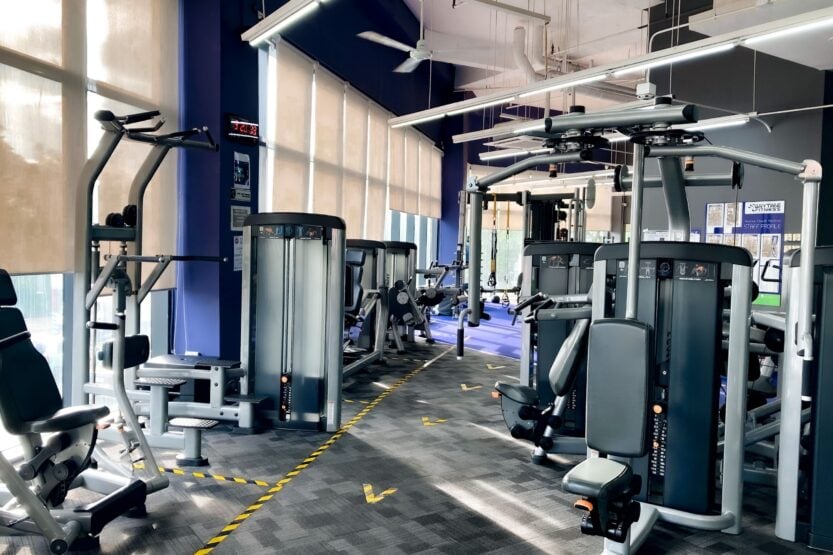
New membership sign-ups at commercial gyms have dropped, with overall gym joins down 9% year over year and studio joins down 5%. That change matters because it shifts where people train and how gyms make money. Coaches, gym owners, and home gym builders need to know whether this is a blip or a durable move toward lower-commitment, community-driven fitness.
When fewer people buy new memberships, the math of running a gym changes. Fewer new members increases the value of every retained member, which makes programming, community, and flexible pricing more important than ever. For home gym owners, the trend opens opportunities to train more consistently at home instead of paying for club access. For trainers, the takeaway is to package services in ways that match younger members’ desire for social formats and low-risk trials.
How the shift looks on the ground
A decline in sign-ups does not mean people are exercising less. It means fewer people are paying to join new facilities. That can be caused by tighter household budgets, stronger offerings outside traditional clubs, or younger people preferring pay-as-you-go experiences over annual contracts.
Newer joiners are skewing younger and are choosing formats that prioritize shared experiences. Small-group training, outdoor drop-in classes, and community-led sessions are pulling interest away from one-size-fits-all memberships. These formats trade scale for social glue, which changes what keeps a member engaged.
Immediate implications for gym owners and managers
- Retention is your growth engine. With fewer sign-ups, keeping seasonal churn low is the fastest way to protect revenue.
- Design programming to build ties. Regular cohort-based blocks, challenges, and member-led events increase the cost of leaving.
- Offer trial and layered pricing. Short-term passes, class packs, and flexible contracts reduce friction for younger prospects who want to try before committing.
- Measure engagement beyond the door. Track class attendance, app interactions, and social participation to spot members slipping away.
What this means for trainers and coaches
Trainers should package services to match social demand. Small-group programs, hybrid coaching that mixes in-person sessions with online check-ins, and referral-friendly pricing resonate with communal-minded clients.
Smaller entry costs and shorter commitments lower barriers. Use introductory bundles and limited-time micro-blocks to convert curious prospects into loyal clients. Focus on building a training culture that creates reliable word-of-mouth rather than relying on walk-in traffic.
How home gym owners benefit
As club sign-ups cool, owning a reliable home setup becomes more attractive. You can get the same consistency with fewer monthly fees if you design a program that fits your schedule and goals. Most progress is built on consistent work, not flashy machines.
You do not need to duplicate a commercial gym. Prioritize a few key pieces and a plan that keeps you accountable. Social accountability still matters: virtual groups, neighborhood workout meetups, or a training buddy will keep you honest and engaged.
Equipment and programming: practical choices
When dollars are tight and preferences shift, choose equipment that gives a lot of versatility per square foot. For most lifters and athletes, the efficient core list looks like this:
- Barbell, plates, and a rack or sturdy squat stand for compound lifts.
- An adjustable or flat bench to expand pressing and single-leg options.
- Adjustable dumbbells or a compact set of fixed dumbbells for accessory and unilateral work.
- Kettlebells and resistance bands for conditioning, mobility, and finishers.
If you are upgrading selectively, prioritize tools that cover a range of movements. Consider pairing a rack with a quality bench and a set of kettlebells rather than buying multiple single-purpose machines. For exercise selection and space-smart choices, readers often consult guides to home gym essentials and look for affordable options in best budget home gym equipment.
Training, recovery, and nutrition implications
The fundamentals do not change because people shifted where they train. Strength gains still require progressive overload, recovery still needs sleep and nutrition, and consistency matters more than perfect programming. What changes is access to coaching and class-structured accountability.
Coaches should give clients portable programs with checkpoints that translate between a studio session and a garage workout. That makes it easier for members to stay on track when they skip the club or travel.
Quick action checklist for gym operators, trainers, and home gym owners
- Run a monthly retention audit. Identify members who dropped attendance and send targeted re-entry offers.
- Host community-first events like member mixers, partner workouts, or skills nights.
- Implement flexible pricing: class packs, short passes, and hybrid coaching tiers.
- For home gym owners: buy core gear that supports compound lifts and progressive loading.
- For trainers: create a referral engine with incentives for members who bring friends to group sessions.
Table: How the decline affects different stakeholders
| Stakeholder | Short-term impact | Practical response |
|---|---|---|
| Large commercial gyms | Fewer new sign-ups squeeze growth while fixed costs stay high | Improve retention with engagement programs and flexible access passes |
| Boutique studios | Studio joins slip but community formats remain desirable to younger clients | Lean into cohort programming and short-term class bundles |
| Independent trainers | Less walk-in volume but stronger demand for small-group coaching | Offer hybrid coaching and accessible group packages |
| Home gym owners | Opportunity to replace or supplement club time with consistent home training | Invest in essential gear and join or start local training groups |
What readers should take away
The headline numbers are clear: gym joins are down 9% and studio joins down 5%. Newer members are younger and put more value on shared experiences. For operators, that means retention and community programming matter most. Trainers should prioritize flexible, social products that lower the barrier to entry. For people who train at home, the message is simple: a focused setup and a plan will keep progress moving while saving money.
Small changes in programming, pricing, and communication often deliver the biggest return. If you run a gym, shift resources from acquisition to engagement. If you coach, build social hooks into your offers. If you work out at home, pick equipment that supports the core lifts and join a group to maintain accountability. Those are the practical moves that keep people lifting, running, and getting healthier even when traditional membership growth cools.

