
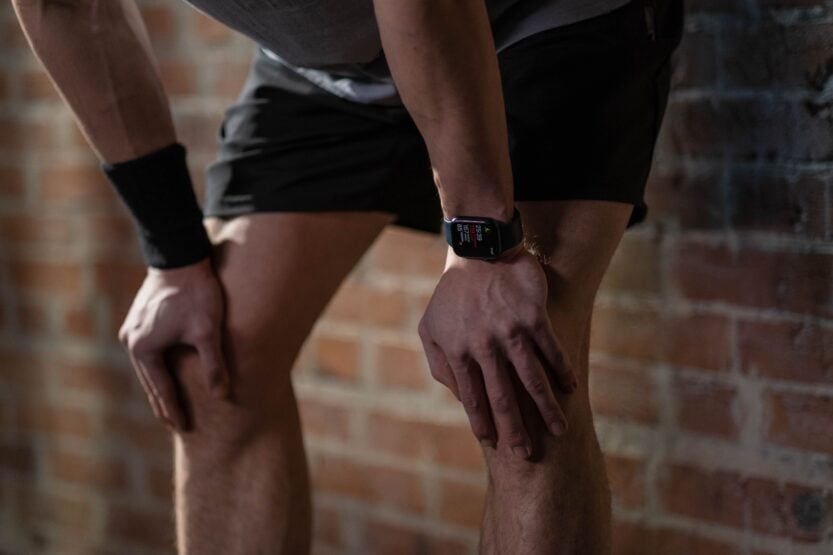
Kineon’s Move+ is getting fresh attention in the recovery market because it combines laser therapy and red light therapy in a single wearable device aimed at joint pain, inflammation, and healing support. That pitch puts it directly in front of a large group of buyers: lifters with cranky knees, runners managing overuse issues, and active adults trying to stay consistent without leaning only on rest days and pain meds.
What makes this product notable is not a newly proven claim or a breakthrough in sports medicine. It is the product concept itself. A portable device that targets sore joints with both light-based approaches is easier to understand and potentially easier to use than larger clinic-style recovery equipment, especially for home gym owners who want something they can fit into a weekly routine.
At the same time, buyers should keep their expectations realistic. The available details describe a device that promises pain relief, reduced inflammation, and support for healing, but that is not the same thing as a guarantee for every athlete, every injury, or every training problem. For people considering a purchase, the real question is less about hype and more about fit: where does a device like this belong in a smart recovery plan?
What The Kineon Move+ Is Designed To Do
The core idea behind the Move+ is straightforward. It is presented as a wearable light therapy device built to target joints and painful areas, with the goal of easing discomfort and supporting recovery. The product’s standout feature is the combination of LED red light and laser therapy in one system rather than relying on only one type of light output.
That matters because the recovery tech market is crowded with products that look similar from a distance but differ in how they are used. Some red light devices are built for broad exposure, like panels and lamps. Others are made for more localized treatment. A wearable format aimed at joints suggests a more practical use case for people dealing with specific trouble spots such as knees, elbows, shoulders, or ankles.
For active consumers, the appeal is easy to see. Joint pain can be one of the fastest ways to derail a lifting block, a running plan, or even basic daily activity. A device that can be used at home, without booking an appointment or setting aside a full recovery session, lands in a sweet spot between convenience and targeted treatment.
Why This Kind Of Recovery Device Appeals To Lifters And Runners
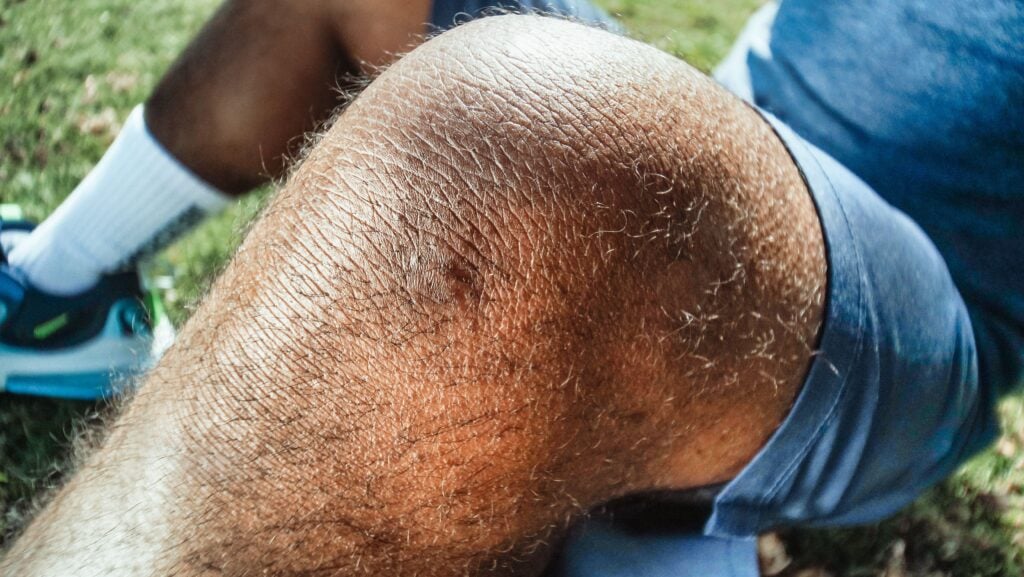
For the Garage Gym Products audience, the biggest selling point is not flashy technology. It is the possibility of staying in training more consistently. Home gym owners tend to think in practical terms. If your knee hurts every time you squat, or your elbow lights up after pressing, you are not looking for abstract wellness language. You want to know if a tool can help you train with less discomfort and recover well enough to keep momentum.
That is where light therapy devices have carved out a niche. They are often marketed as noninvasive recovery options that can fit around work, family, and training schedules. You do not need a full clinic setup to use one. You do not need to overhaul your routine. In theory, a product like the Move+ works best as an add-on to basics that already matter, including smart programming, sleep, load management, and medical guidance when pain starts to move beyond normal training soreness.
There is also a mental side to this category. Many athletes are willing to spend on recovery if the tool feels specific, repeatable, and easy to use. A wearable joint-focused device checks all three boxes. That does not automatically make it worth the money, but it does explain why products like this keep getting attention.
Laser And Red Light In One Device Changes The Pitch
The most interesting part of the Move+ is the combination approach. The product is described as using both laser and red light therapy, which gives Kineon a more distinct angle than many recovery products that only emphasize red light. In consumer terms, that creates a clearer point of separation in a market full of similar claims and similar-looking hardware.
For buyers, that combination may also raise the stakes. When a device promises a blend of therapies, consumers naturally expect more than a basic wellness gadget. They expect a more serious recovery tool, one that might justify a premium price or a sale-driven purchase decision. That is likely why the question of whether it is worth buying on sale has become part of the conversation around the product.
Still, it is important to separate feature differentiation from proven outcome. A more advanced-sounding setup can make a device more appealing, but the purchase decision should still come down to practical issues such as comfort, consistency of use, body area coverage, and whether the device matches your actual recovery needs. Plenty of athletes buy recovery gear for general soreness, then realize later they needed better programming more than another tool.
Where A Device Like This Fits In A Real Recovery Plan
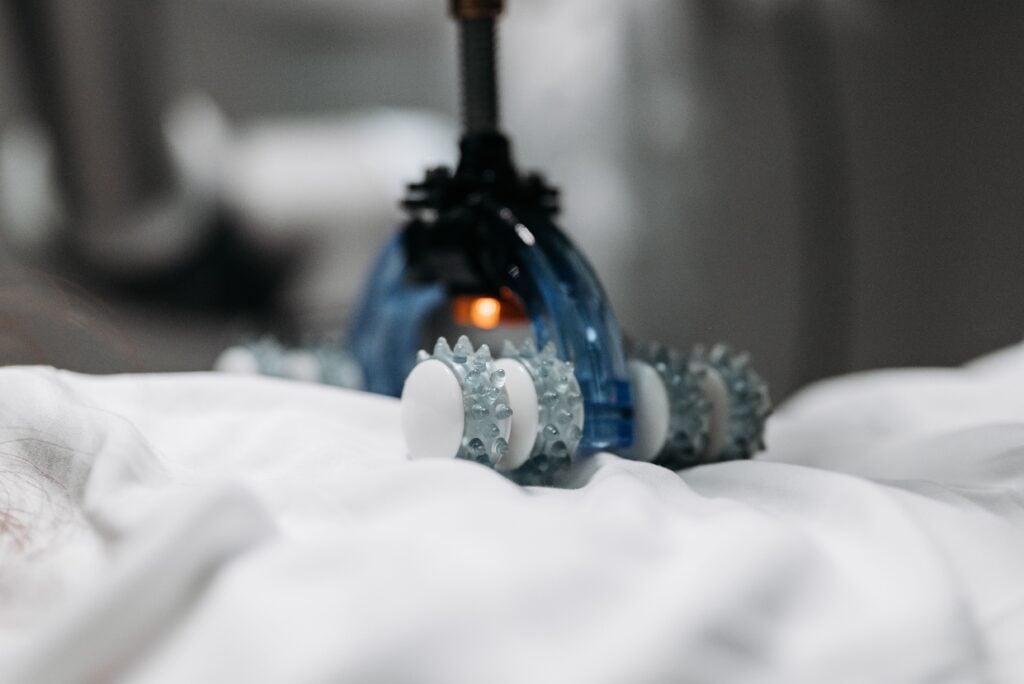
For most active adults, the best way to think about the Move+ is as a potential support tool, not a replacement for fundamentals. If you are dealing with recurring joint irritation, the first questions should still be about training volume, exercise selection, range of motion, and recovery habits. Light therapy does not fix a deadlift setup that keeps aggravating your back, and it does not magically undo months of overload from ignoring pain signals.
That said, there is a clear audience for a product like this. It may appeal to people who are already doing the boring but effective work: sleeping enough, spacing hard sessions properly, warming up, and adjusting loads when pain starts to build. For those users, a wearable therapy device can slot into the margins of the day and feel more realistic than booking repeated appointments or using large recovery equipment at home.
It may be especially relevant for athletes managing localized joint discomfort rather than general fatigue. Broad fatigue after a hard leg day is one thing. A stubborn knee that affects squats, stairs, and weekend runs is another. Products built for a targeted body area tend to make more sense when the problem itself is targeted.
What Buyers Should Watch Before Hitting Purchase
Because only limited source details are available here, the smartest approach is caution paired with context. The known claims around the Move+ are pain relief, reduced inflammation, and healing support. Those are attractive goals, but they are also broad ones. Anyone considering the device should look closely at the official product information, intended use guidance, and any usage limitations before spending money, even during a sale.
There are a few practical filters that matter more than marketing language:
- Your pain pattern: Is this occasional post-training soreness, or a persistent issue that deserves medical evaluation?
- Your use case: Do you need a targeted joint tool, or would a different recovery approach be more useful?
- Your habits: Will you actually use a wearable device consistently enough to judge whether it helps?
- Your expectations: Are you buying support for recovery, or expecting a fix for an unresolved injury problem?
That last point is especially important in the home gym world. Recovery tech can be helpful, but it can also become a distraction from the basics. If your shoulder flares up every pressing day, the answer may involve coaching, exercise selection, or a medical assessment long before it involves adding more equipment to your shelf.
The Bigger Trend In Fitness Recovery Tech
The attention around the Move+ also says something about the broader recovery market. Consumers are increasingly interested in tools that promise clinic-style benefits in a home-friendly format. That trend has already shown up in massage guns, compression boots, cold therapy tools, red light devices, and connected cardio equipment like the bike covered in our Peloton Bike Plus review. Fitness buyers are not just shopping for barbells and cardio machines anymore. They are building out recovery setups alongside their training spaces.
That shift makes sense. Training harder is only useful if you can recover well enough to do it again. As more people take longevity, mobility, and pain management seriously, products aimed at joint comfort and inflammation support will keep finding an audience. The same consumer appetite is visible across the broader fitness business, from boutique recovery services to large gym operators navigating growth and leadership changes such as Crunch Fitness elevating Chequan Lewis to CEO.
In that sense, the Move+ lands in a category where convenience matters almost as much as performance. A recovery tool that is easy to strap on and use regularly may have more real-world value than a larger system that never leaves the closet. The best recovery equipment is often the gear that people will actually use.

