
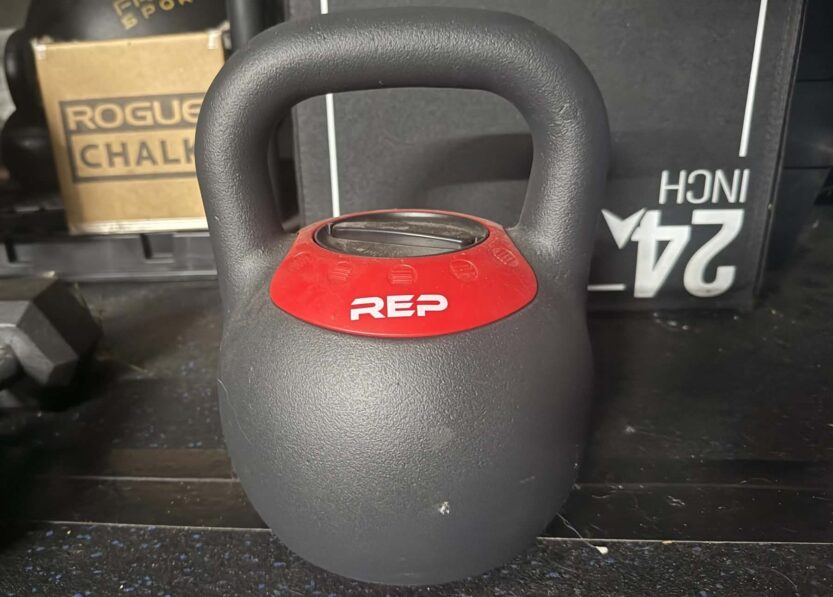
To compare adjustable kettlebells, start with the weight range and increment size, then check whether the handle, shell shape, and adjustment mechanism will work for the movements you actually train. A compact model that covers useful weights can save serious floor space, but its fixed outer dimensions and moving internal parts create trade-offs that fixed kettlebells do not have.
For a home or garage gym, an adjustable kettlebell makes the most sense when several fixed bells would otherwise be needed. It is also useful alongside other kettlebells and dumbbells for a home gym, especially when space limits the size of your free-weight collection.
Start With The Weight Range You Need
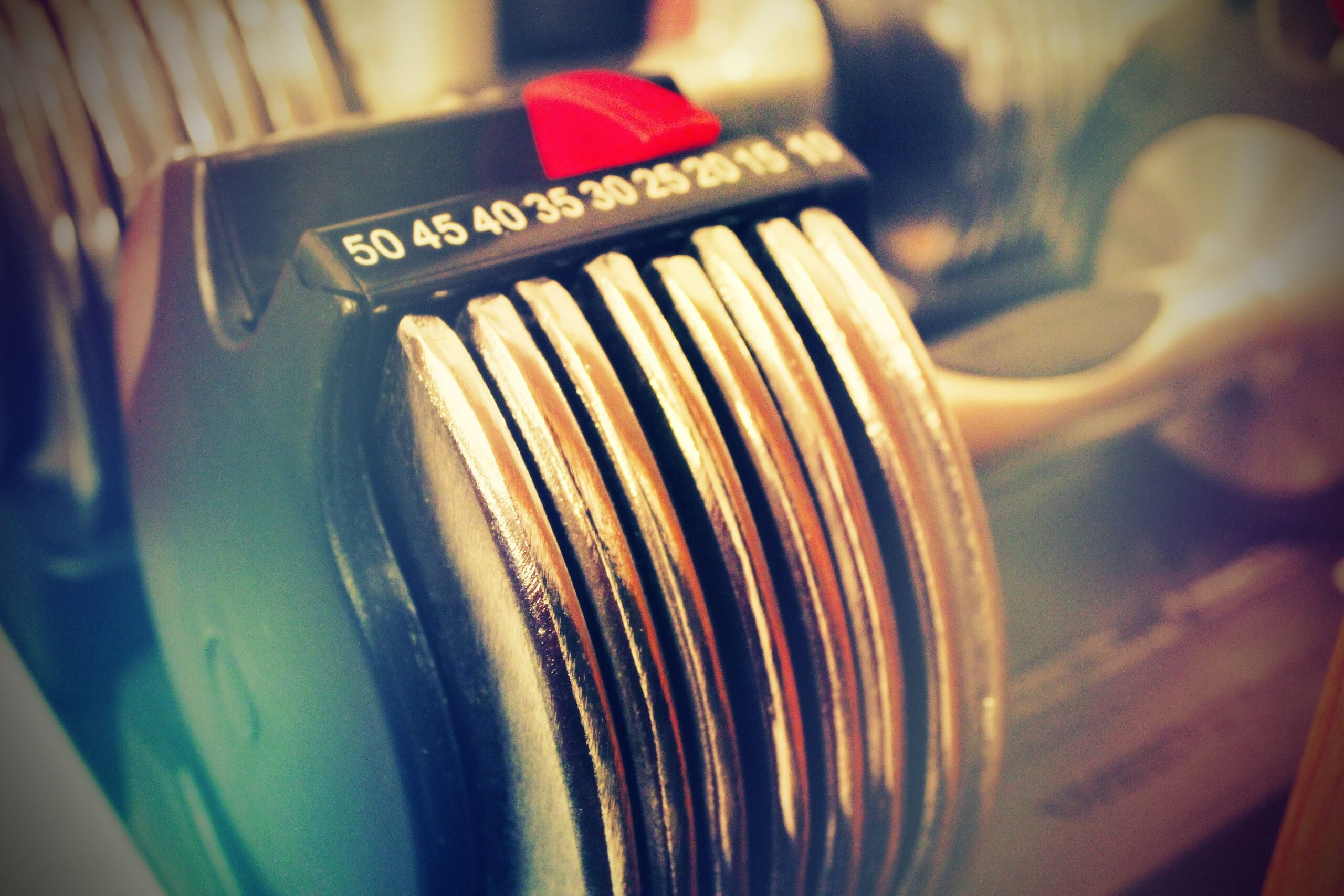
The printed minimum and maximum weight tell only part of the story. Compare the adjustable kettlebell’s range with the loads you use now for presses, rows, carries, goblet squats, swings, cleans, and snatches, then leave room for progression. A bell that reaches your current working weight leaves little value once strength improves.
Weight ranges vary widely. Some models are aimed at lighter conditioning and beginner strength work, while competition-style adjustable kettlebells often cover a larger metric range in one shell. For example, REP Fitness lists adjustable kettlebells in 8 to 16 kilogram and 16 to 24 kilogram versions, each designed to retain a competition-kettlebell exterior at every setting.
Use your most demanding movement to choose the maximum weight. For many home gym lifters, that will be a two-handed swing, goblet squat, deadlift, or loaded carry rather than an overhead press. A single adjustable bell can still be a poor match for heavy lower-body training if its top setting is too light.
Plan for One-Bell and Two-Bell Training
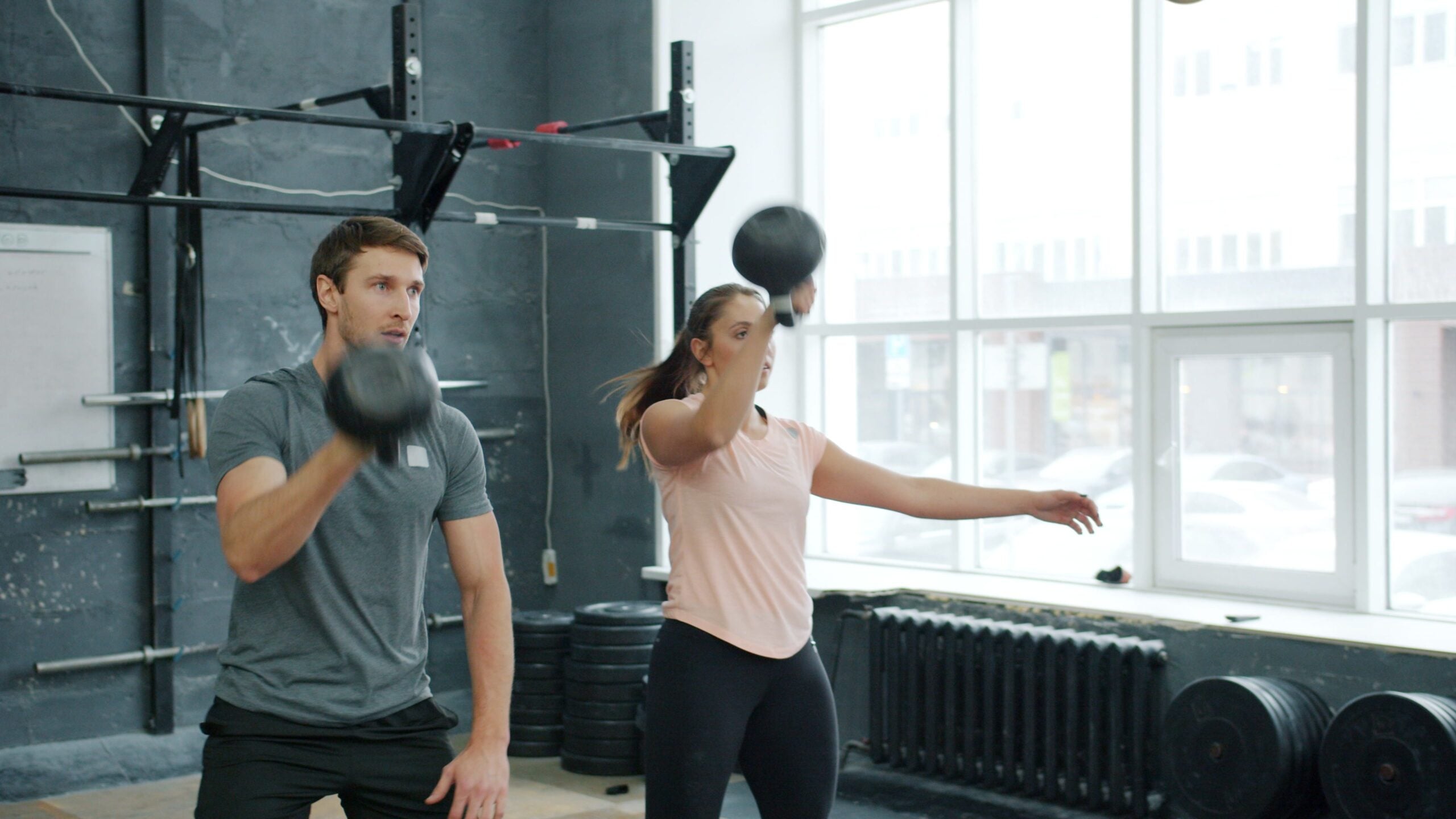
A single adjustable kettlebell covers unilateral work such as one-arm presses, rows, split squats, suitcase carries, Turkish get-ups, and single-arm swings. It can also handle two-handed swings and goblet movements. Two matching bells open up double clean and presses, double front squats, double swings, and rack carries.
Buying two adjustable bells doubles the space-saving benefit, but it also raises the cost and adds two adjustment steps when your program changes load. If double-kettlebell work is a priority, make sure the selected model is sold individually and that a second unit is available in the same range.
Why Weight Increments Matter
Smaller increments make progression easier when presses, get-ups, and technique-focused work are part of the plan. A one-kilogram jump is about 2.2 pounds, while a five-pound or larger jump can feel substantial on a strict overhead press. Larger jumps are less troublesome for swings, deadlifts, and carries, where lifters often tolerate bigger increases.
Count the usable settings, not just the stated range. A 12 to 32 kilogram bell with one-kilogram adjustments gives far more programming flexibility than a bell with only a few widely spaced settings. Check the manufacturer’s setting chart to confirm that every increment is available across the claimed range.
- One-kilogram increments: strong fit for structured strength progression, pressing, and technical kettlebell practice.
- Two to five-pound increments: practical for general home workouts and mixed dumbbell-kettlebell routines.
- Larger jumps: acceptable for basic conditioning if the available settings still bracket your working loads.
Metric labeling can take a moment to get used to for U.S. buyers. The useful conversions are 12 kilograms at roughly 26.5 pounds, 16 kilograms at roughly 35.3 pounds, 20 kilograms at roughly 44.1 pounds, 24 kilograms at roughly 52.9 pounds, and 32 kilograms at roughly 70.5 pounds.
Compare The Shell Size At Every Weight
Most adjustable kettlebells use one external shell across their entire range. That creates a different feel from a conventional fixed set, where the body generally grows with the weight. The constant shell can be an advantage for learning a consistent rack position and swing path, but it may feel oversized at the lower settings or compact at the top end.
Look for the overall height, body width, and base diameter in the manufacturer specifications. Those measurements affect how the bell sits in the rack, clears the floor during swings, fits between the feet for deadlifts, and stores on a shelf. A wide body may contact the forearm differently during cleans and presses, particularly for lifters with smaller frames.
Competition-style adjustable bells tend to follow the dimensions of competition kettlebells, which use a standardized outer size across different loads. That familiar profile is useful for technique practice, but it does not automatically suit every hand or every exercise. A more rounded, traditional shell can feel more natural for two-handed swinging and goblet work.
Check the Base and Bottom Surface
A flat, stable base helps during storage and exercises that begin with the bell parked on the floor. It also matters for controlled movements such as renegade rows, although kettlebells are less stable than dumbbells for that exercise because of their high handle and rounded body.
Inspect the material and finish listed by the manufacturer. Powder-coated iron provides a grippy, matte surface on many fixed bells, while adjustable models may combine steel, cast components, painted surfaces, and polymer trim around the mechanism. A protective floor mat is still a sensible addition, especially in a garage gym where concrete is unforgiving.
Handle Geometry Can Make or Break the Fit
The handle is where an adjustable kettlebell either feels usable or spends a long time collecting dust. Compare handle diameter, interior width, interior height, and corner shape before focusing on cosmetic details. These dimensions influence your grip in swings and carries and determine how comfortably the bell rotates around the hand during cleans and snatches.
A thicker handle can build grip and feel secure for two-handed swings, but it may fatigue smaller hands sooner. A narrower handle generally suits high-repetition snatches and presses, though personal preference still matters. Manufacturers do not always publish every interior handle measurement, so product drawings, manuals, and customer-service documentation can be more useful than a single product photo.
For two-handed work, check that the window has enough horizontal room for both hands without knuckles pressing into the uprights. For cleans and presses, look at the distance between the handle and the body. Too little clearance can crowd the wrist; too much can make the bell feel less connected in the rack.
Pay Attention to Handle Finish
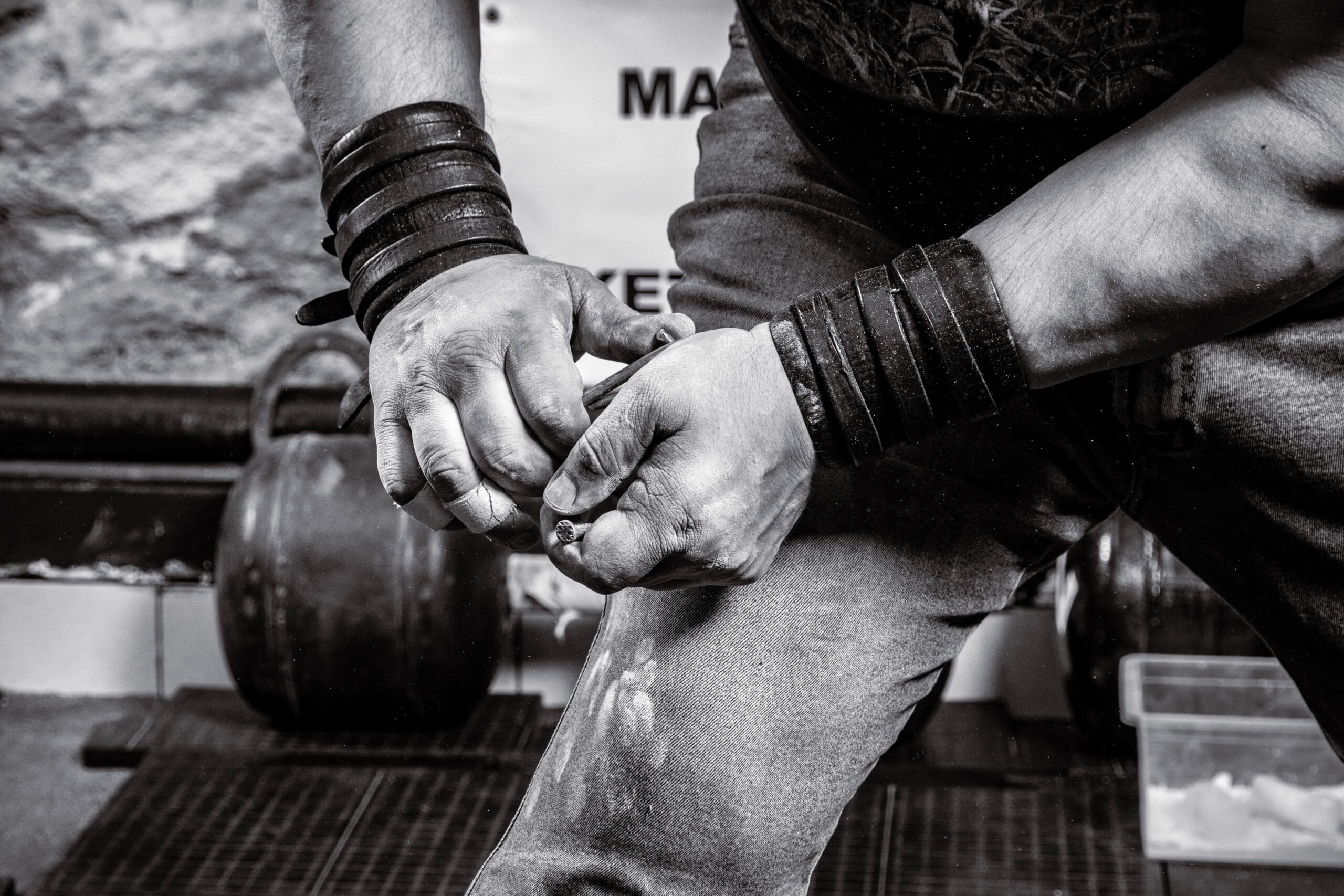
Most serious kettlebell training is easier with bare hands or a small amount of chalk. A smooth painted handle can become slippery when sweaty, while a textured powder-coated or bare-metal grip may offer more traction. Aggressive texture can also irritate the palms during high-volume swings, so grip is not simply a case of rougher being better.
Gloves change handle feedback and can interfere with a clean hand insertion during cleans and snatches. If callus management is a concern, keep sessions gradual and use chalk sparingly. Hand care remains part of training with any kettlebell, fixed or adjustable.
Understand The Adjustment System Before Buying
Adjustment systems typically use removable internal plates, a selector mechanism, or a captive loading assembly secured by a bolt or locking pin. Each approach can work well when properly built and used according to the manufacturer’s instructions. The important questions are how long a change takes, how clearly the selected load is marked, and how the system remains locked during dynamic movement.
Plate-based competition-style models usually require opening the bottom or side of the shell, adding or removing plates, and securing the closure with a tool or fastener. This process is slower than turning a selector, but the construction can preserve a familiar kettlebell shape. The REP Fitness adjustable kettlebell is an example of this competition-inspired format, so it is worth considering if consistent shell dimensions rank above rapid mid-workout changes.
Selector-style designs can be faster to change between sets. Their main limitation is that the selector, release button, or locking components require careful setup. Follow the product manual’s placement instructions, confirm that every component is seated, and never swing, clean, or snatch a bell that is not fully secured.
| Adjustment Style | Common Strength | Common Limitation | Best Fit |
|---|---|---|---|
| Internal plates with bolt or fastener | Often supports a competition-style shell | Changes take longer and may require a tool | Planned strength sessions and technique work |
| Selector or dial system | Quick load changes between exercises | More moving parts and a less traditional profile | Circuit training and general fitness sessions |
| Loadable handle with plates | Uses existing standard or Olympic plates | Plate diameter changes the balance and clearance | Budget-focused home gyms with compatible plates |
Match the Design to Your Kettlebell Routine
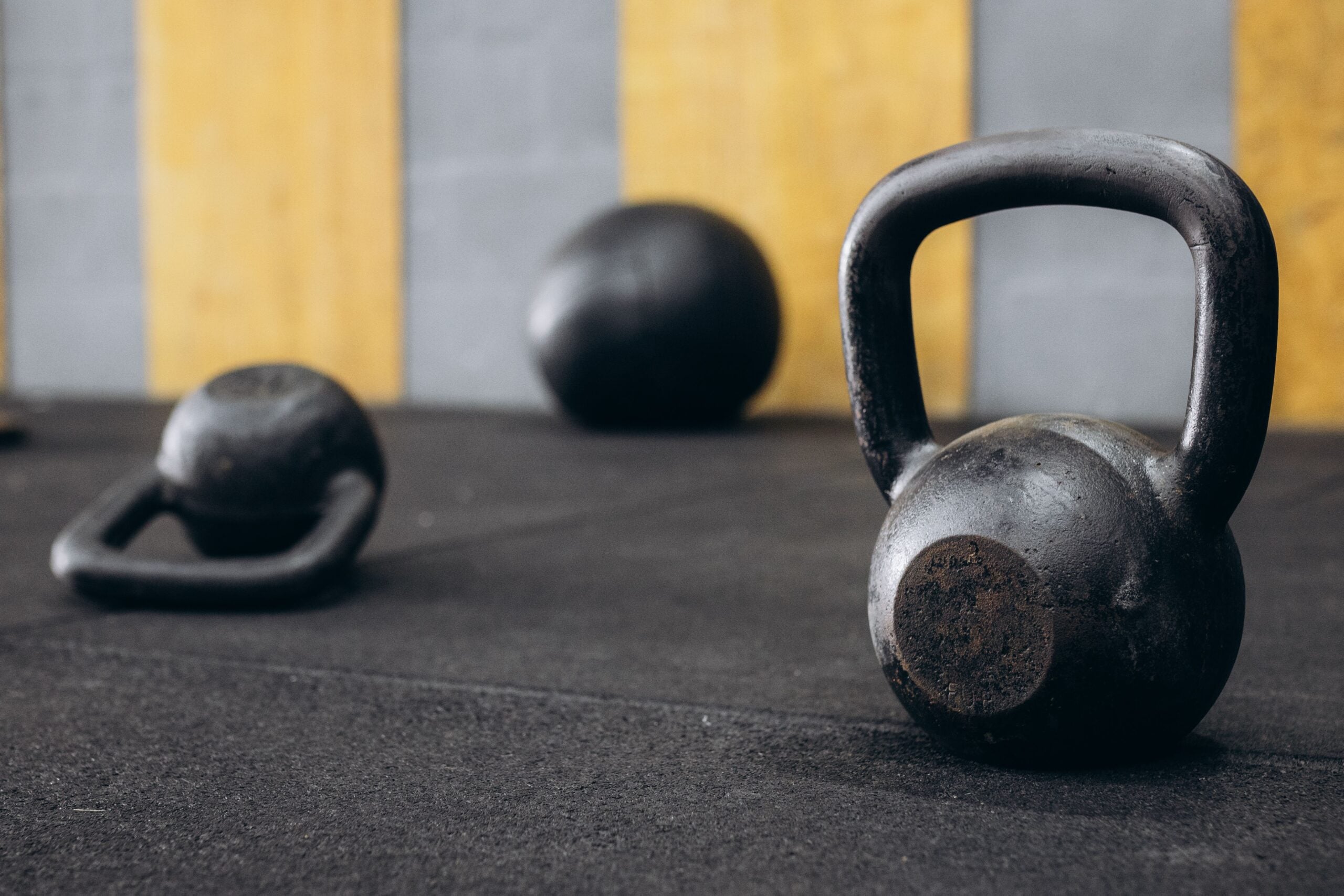
A kettlebell for slow, controlled strength work has different priorities than one used for high-repetition sport training. Build a short list around your routine, then compare published dimensions and instructions side by side. The right choice should support the movements you perform frequently without making setup unnecessarily tedious.
For Swings, Deadlifts, and Carries
Prioritize the top-end load, a comfortable two-hand handle window, and a secure adjustment mechanism. These exercises reward a bell that feels stable and easy to grip. A heavier range often has more long-term value here than very small increments.
Loaded carries are also an easy way to assess a bell’s likely usefulness in a broader program. See this guide to the farmer’s walk and its variations for ways to use kettlebells alongside other carry implements.
For Cleans, Presses, and Turkish Get-Ups
Prioritize small weight jumps, handle clearance, and a shell that sits comfortably against the forearm. Pressing exposes overly large jumps quickly, and a poorly fitting handle becomes more obvious when the bell repeatedly transitions into the rack. A moderate maximum weight can be enough for a lifter whose main goal is controlled unilateral training.
For Snatches and High-Rep Conditioning
Look closely at the handle finish, corner transitions, and manufacturer guidance for dynamic exercise. A compact, consistent shell and a handle that allows a smooth hand insertion can help, but technique remains the deciding factor. Start with manageable loads and do not assume an adjustable bell is approved for every high-impact movement simply because it can be used for swings.
Compare Adjustable Kettlebells With Fixed Kettlebells
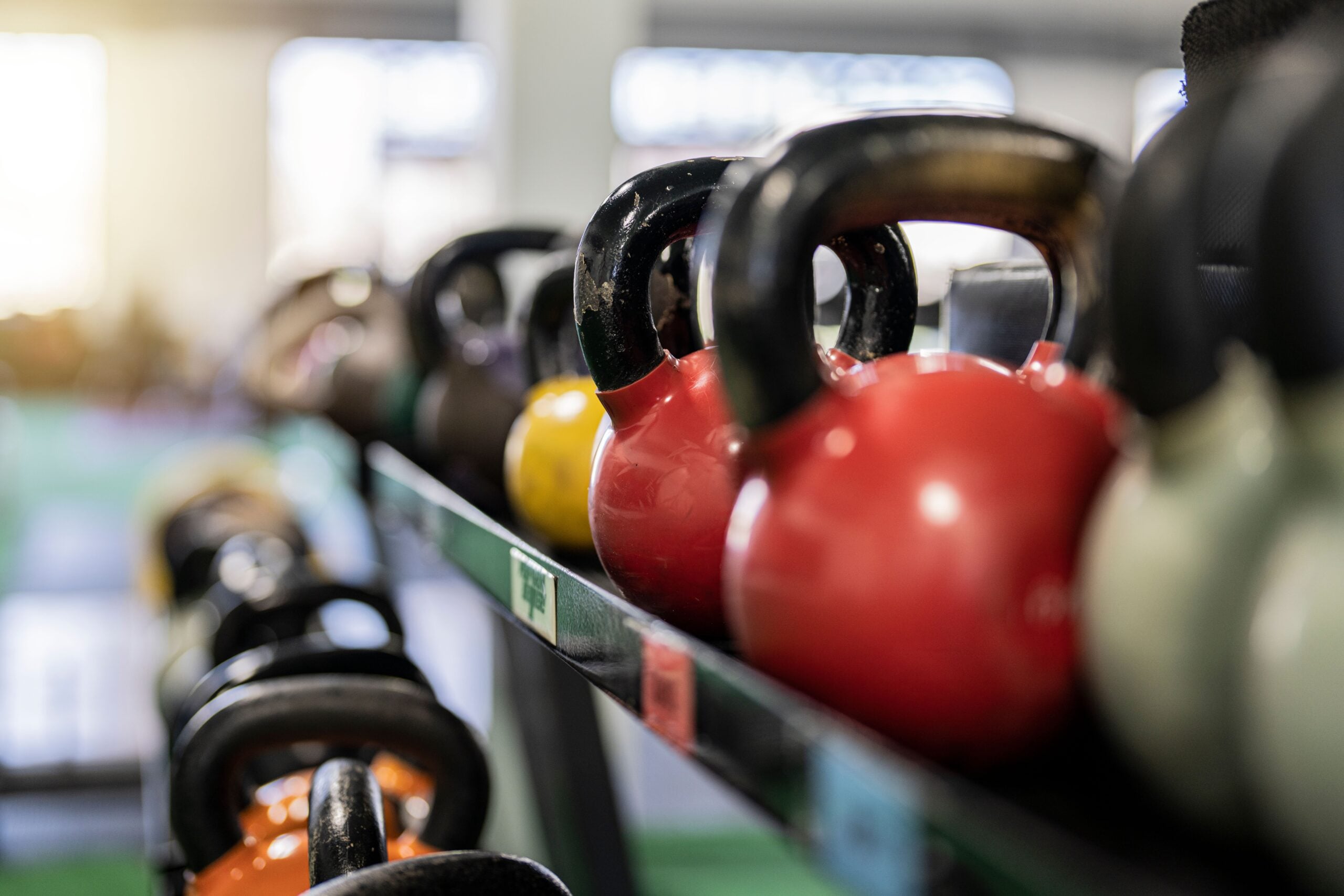
Adjustable kettlebells save space and can reduce the number of individual bells needed for progressive training. Fixed kettlebells offer a simpler construction, no adjustment delay, and a weight-specific size that some lifters prefer. The better choice depends on training priorities, budget, storage, and the loads required.
- Choose adjustable when space is limited, several weight settings are needed, and you mainly train with one bell at a time.
- Choose fixed when you need quick changes in group or circuit sessions, regularly use doubles, or want a dedicated size at each weight.
- Use both when an adjustable bell covers lighter-to-moderate progression while one or two heavier fixed bells handle swings, squats, and carries.
Fixed bells also remain useful for anyone who wants a specific coating or traditional cast-iron profile. Our coverage of the Rogue rubber-coated kettlebell shows the kind of dedicated fixed-bell design worth comparing against an all-in-one adjustable option.
Check Safety, Storage, and Warranty Details
Read the manufacturer’s manual before the first workout. It should identify the permitted adjustment procedure, compatible components, inspection steps, and any exercise restrictions. The U.S. Consumer Product Safety Commission recall database is also a sensible place to check before purchasing any adjustable training equipment.
Inspect the locking mechanism, fasteners, and shell for looseness or damage before training. Keep the bell on a stable floor or sturdy storage surface, and avoid dropping it. Adjustable kettlebells contain mechanical components that can be damaged by the kind of repeated impacts a solid cast-iron bell may tolerate.
Warranty terms deserve a close read. Compare coverage for the shell, adjustment mechanism, finish, and normal wear, as well as the process for obtaining replacement parts. A longer warranty is useful only if it clearly covers the components most likely to affect safe operation.
A Practical Adjustable Kettlebell Checklist
- List the lightest and heaviest loads you use for presses, swings, squats, carries, and get-ups.
- Choose an upper range that gives you room to progress in your heaviest regular movement.
- Check every available increment, with special attention to jumps around your pressing weight.
- Compare overall shell dimensions and the handle’s interior width, height, and diameter.
- Confirm that the handle window suits one-hand, two-hand, or double-kettlebell work.
- Read the official adjustment instructions and assess whether the change time fits your sessions.
- Review permitted use, warranty coverage, storage needs, and replacement-part availability.
A strong adjustable kettlebell purchase is usually a matter of fit, not maximum advertised range. The most useful model covers your working weights with sensible jumps, fits your hands and rack position, and stays secure through the exercises on your program.
Frequently Asked Questions
Are Adjustable Kettlebells Safe for Swings?
Adjustable kettlebells can be used for swings when the manufacturer permits dynamic movements and the selected weight is fully secured. Inspect the mechanism before every session, follow the manual exactly, and do not drop the bell.
What Weight Range Should an Adjustable Kettlebell Have?
The right range includes your current working loads and enough additional resistance for progression. For general training, prioritize the maximum weight needed for swings, squats, carries, and deadlifts, then confirm that the lower settings work for pressing and get-ups.
Do Adjustable Kettlebells Feel Like Fixed Kettlebells?
They can feel similar, especially competition-style models with a constant exterior shell, but they will not feel identical to every fixed bell. Internal construction, handle geometry, finish, and body dimensions all affect balance and comfort.
Can One Adjustable Kettlebell Replace a Full Set?
One adjustable kettlebell can replace several fixed bells for single-bell workouts and save substantial storage space. It cannot replicate double-kettlebell training unless you buy two matching adjustable units, and it may not provide enough weight for every lower-body exercise.

