
Lululemon announced Summer Series 2026 on June 24, 2026, launching a season of free, in-person fitness events across cities and neighborhoods in North America. The initiative places drop-in classes, workshops, and community meetups into public and retail spaces, offering a no-cost way for people to experience guided movement outside of their living rooms. For active adults and fitness professionals, this matters because it lowers the barrier to try coached formats and to discover how studio-driven practices might fit into a weekly routine.
The program emphasizes live teaching and social connection rather than digital consumption. For gym owners and coaches, that shift can lead to tangible changes in where people choose to train, how they prioritize recovery sessions, and which accessories they consider essential. The series also functions as a soft-market test for movement trends that often filter into home gym purchases and training plans.

Gaiam Dry-Grip Yoga Mat, Non-Slip, Hot Yoga (Marbled)
What The Summer Series Looks Like For Participants
At its core, the Summer Series is a schedule of free events that covers common formats such as yoga and pilates, with some classes oriented toward mobility and breath work. Sessions are designed to be approachable for newcomers while still offering useful cues for experienced practitioners. The zero-cost entry point means people who usually train alone at home can compare coached instruction with their self-guided habits without committing to a membership.
Practical details vary by city and by venue, but attendees should expect teacher-led sequences, brief technique demonstrations, and occasional product demos during or after classes. For many participants, the most valuable outcome is not a single workout, but direct feedback on movement quality and a clearer sense of which formats actually help their training when applied consistently.
Who Should Pay Attention And Why
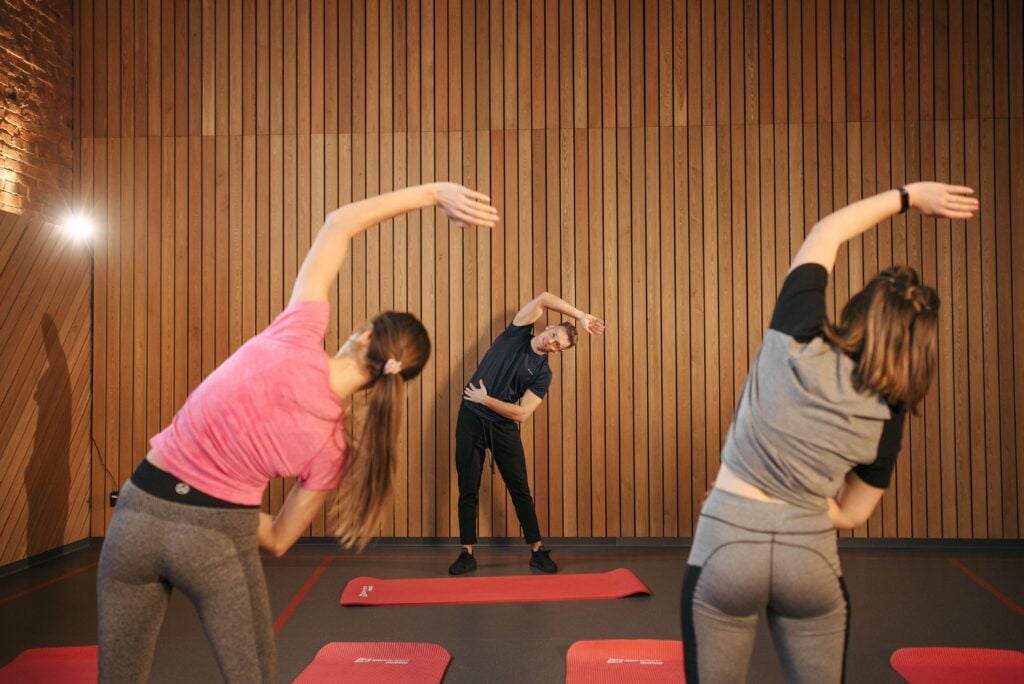
Home gym owners benefit by observing how instructors cue movement under time constraints and in a group setting. Those cues translate into practical drills you can add to warm-ups, such as prime-and-activate sequences for squats or loaded mobility flows to preserve shoulder health. Seeing a drill executed in real time helps judges whether it is suitable for barbell work or should remain in accessory sessions.
Strength athletes and lifters will not treat these classes as replacements for heavy resistance sessions, but they are useful for improving joint range of motion, breathing technique, and positional control. Adding one guided mobility or pilates class per week can be a low-fatigue complement to a heavy training block and may reduce nagging stiffness that impairs lifting mechanics.
Personal trainers and studio owners should watch the series as a marketing signal. Free, well-attended offerings can expand the local funnel of potential clients and surface which class styles attract drop-in participants. Trainers can borrow elements of successful sessions for workshop-style programming that teaches specific improvements, such as squatting patterning or thoracic mobility for pressing work.
How Free In-Person Events Affect Training And Recovery
Group classes change the training equation by making technique work easier to commit to. When someone else directs a session, people tend to follow through on mobility drills and structured breathing, which are the kinds of low-load actions that support recovery without adding systemic fatigue. These sessions are especially useful in deload weeks or between heavy meets when maintaining frequency is important but high intensity is not.
From a recovery standpoint, guided low-impact workouts offer controlled loading that can speed joint lubrication and promote parasympathetic activation through breathing work. That said, athletes should integrate such sessions intentionally. A single class will not offset a poorly programmed training cycle, but used consistently, guided mobility and core work can reduce compensatory patterns that accumulate into minor injuries.
Equipment And Purchase Implications
Trying gear in class removes guesswork. When you test mats, bands, or small tools in a real movement context, you learn whether an item will hold up under repeated use, whether a band’s resistance level matches your needs, and whether apparel allows the ranges of motion you prioritize. For someone furnishing a home gym, that in-person trial can prevent impulse buys and focus spending on items that support daily training.
Retail activations that accompany events also let customers compare support accessories for lifting or gymnastics movements. For example, wrist support and compression items are commonly evaluated in these environments. If you are considering a dedicated wrap for heavy pressing or Olympic lifting variations, check how it feels during push and hold exercises and compare that experience to at-home sessions. For readers shopping for wrist protection, the Rogue Wrist Wraps White Series is an example of a specialized option to evaluate during a demo.
Nutrition And Health Considerations
Attending free, drop-in classes does not change the basics of fueling, but it may affect timing and portion choices. For morning classes, many people do best with a small carbohydrate-rich snack and adequate hydration rather than a full meal. When a session is longer than an hour or paired with another workout that day, plan for a modest protein topping and some electrolytes to support recovery.
If you manage an injury or chronic condition, treat these classes as diagnostic rather than prescriptive. A qualified coach can offer helpful modifications, but persistent pain or a history of structural issues warrants professional assessment. Use a class to test safe ranges and to note how movements feel, then adapt your program under guidance.
Costs And Time Investment
Removing the price tag shifts the main cost to time and logistics. Travel, parking, and schedule alignment are the real investments. Consider the return on time by setting an intention for each session: test a movement, ask one specific question about programming, or evaluate a piece of gear. That focused approach yields actionable insights that justify the commute or the hour out of the day.
For coaches and small studios, these events can be an inexpensive way to scout demand. If many attendees show interest in a particular class format, it may justify adding a weekly offering or a short workshop series that becomes a revenue generator later on.
Practical Tips For Attending Live Sessions
- Bring a reliable mat and towel. Personal equipment reduces friction and lets you judge comfort and grip.
- Arrive early to claim space and to hear any modification options the instructor offers.
- Wear clothing that allows full range of motion so you can properly assess fit and performance of activewear and compression pieces.
- Hydrate and have a small snack on hand if you plan to train heavy later in the day.
Comparing In-Person Classes To Home Training
| Factor | In-Person Classes | Home Training |
|---|---|---|
| Cost Per Session | Often free during promotional series, otherwise pay-per-class or membership | Variable; equipment cost amortized over time |
| Coaching Quality | Live feedback from instructors | Self-guided or remote coaching |
| Convenience | Requires travel and schedule alignment | Highly flexible timing |
| Community | Higher social motivation | Lower unless you join online groups |
| Equipment Testing | Easy to try gear in real use | Must buy before testing |
Should You Take Action?
If you are curious about structured movement or want to add low-fatigue recovery sessions to your week, attend one of these free classes to gather concrete observations. Use the experience to refine at-home warm-ups, to test whether a specific class style improves your mobility, or to identify a coach whose cues resonate with how you learn. Those outcomes are actionable without requiring immediate spending.
For trainers and small business owners, treat attendance as competitive research. Note which cues translate well to novices, which equipment people gravitate toward, and whether a specific format consistently draws attendees. These signals can inform programming choices or short-term workshops that turn initial interest into paying clients.
How This Fits Broader Fitness Trends
Investment in live community offerings reflects an ongoing balance between digital convenience and in-person coaching. Many consumers maintain home setups while still craving occasional hands-on instruction to tighten form and to stay motivated. For the market, that means hybrid strategies will likely persist: digital content plus periodic, free or low-cost in-person activations that funnel people toward paid services or targeted gear purchases.
For people who train at home, the practical takeaway is straightforward. Free, local classes are a cost-effective way to test new movement styles, pick up coaching cues you can practice solo, and evaluate equipment before buying. Attend with clear goals, take notes, and apply what you learn to keep your training efficient and injury-resistant.

