
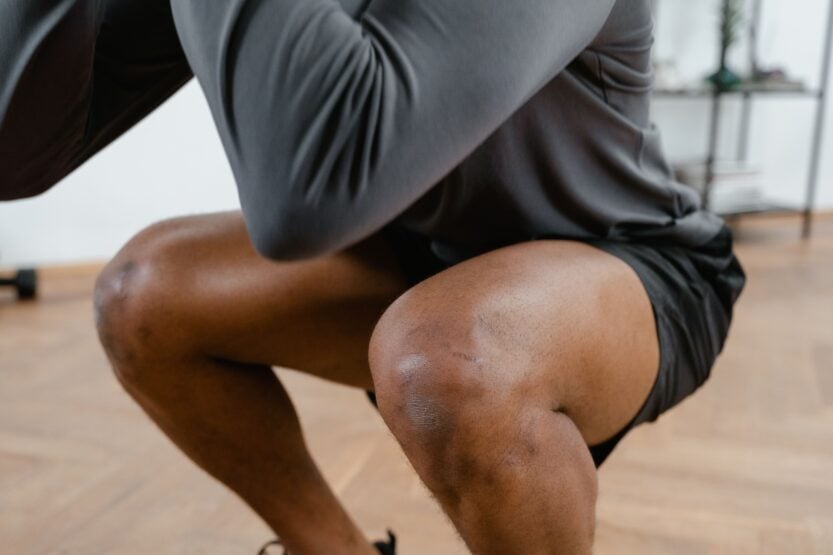
Patellar straps are a popular option for runners, weightlifters, and anyone dealing with pain just below the kneecap. If you’ve ever wondered whether they actually work or if they’re just another piece of fitness gear, you’re not alone. These simple straps sit just below the kneecap and apply gentle pressure to the patellar tendon, which can help reduce strain and ease discomfort during activity. While many people find they make exercise more comfortable, they’re not a cure on their own. The best results usually come from combining a patellar strap with the right strengthening and recovery exercises.
This guide lays out how these straps work, the types of knee pain they are most likely to help, when to give one a try, and the features that matter when you shop. The goal is practical: help you decide whether to add a strap to your gym bag, use one during a ramp-up back to sport, or skip it and focus on other interventions.
What A Patellar Strap Does And How It Works
A patellar strap sits directly below the kneecap and applies concentrated pressure to the patellar tendon. By doing so it changes the distribution of load across that tendon and subtly alters the tracking forces on the patella. The result can be immediate, localized pain reduction during activities that usually aggravate the area, such as running, jumping, or heavy squatting.
Think of the strap as a mechanical assist. It does not stop the knee from moving or cure the underlying problem. Instead it reduces peak tendon load so you can tolerate functional movement while you address strength, mobility, and training volume. Using a strap without changing load or improving movement patterns is rarely enough for lasting recovery.

Bodyprox Patella Tendon Knee Strap 2 Pack, Knee Pain Relief Support Brace
Comparison Of Common Patellar Strap Types
| Strap Type | Best For | How It Works | Notes |
|---|---|---|---|
| Narrow Band | Targeted tendon compression | Applies a focused point of pressure beneath the kneecap | Good for pinpoint pain but may dig into tissue; check sizing |
| Wide Strap | Comfortable, broader support | Spreads pressure over a larger area to reduce hotspots | Less pinpoint offloading; better for all-day wear |
| Padded Strap With Target Pad | Frequent users and high-impact athletes | Pad concentrates offload while protecting the skin | Most versatile for training; slightly bulkier under tights |
| Adjustable Tension Strap | Athletes who need different tensions for different activities | Allows micro-adjustments in compression for running versus squats | Best for people changing activity types in a single session |
Conditions Where Patellar Straps Are Most Often Used
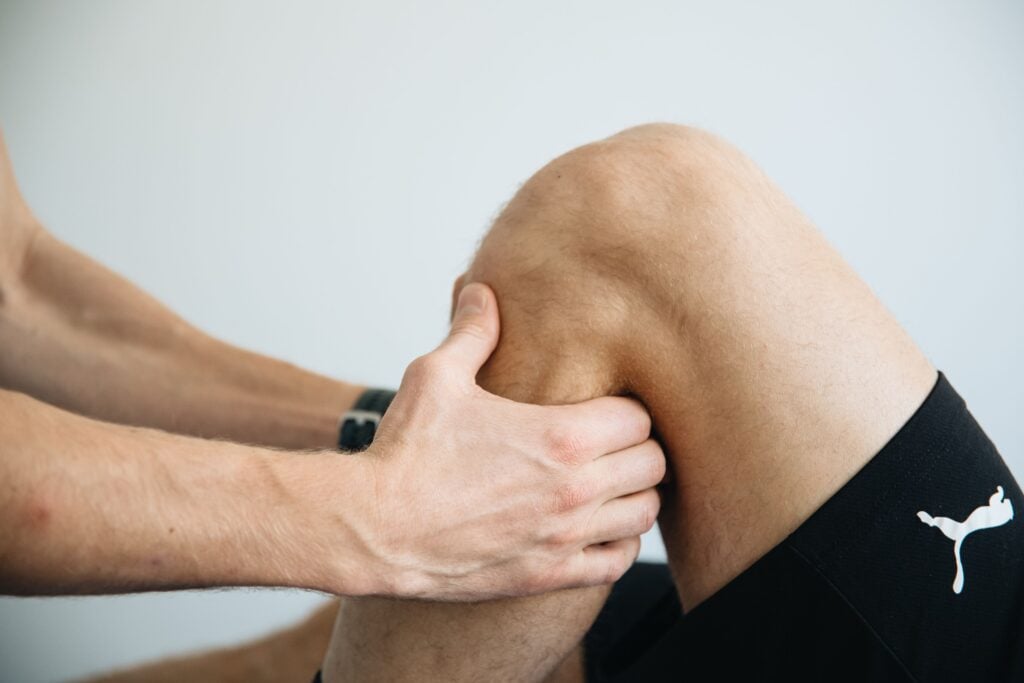
Patellar straps are most commonly applied for two presentations: patellar tendinopathy, felt as focal soreness or pain just below the kneecap during high-impact activity, and patellofemoral pain, which is often experienced as grinding or aching around or behind the kneecap with stairs, squats, or long periods of sitting. They are also used in adolescents who have activity-related tendon irritation during growth phases.
They are less likely to help when pain is widespread across the knee, when there is significant joint swelling, or when instability, locking, or mechanical symptoms are present. In those cases, a more thorough clinical evaluation is warranted.
When To Try A Patellar Strap
- Localized pain beneath or around the kneecap that flares with running, jumping, or loaded squatting.
- Pain that temporarily eases when you press on the patellar tendon.
- You need to maintain conditioning while you follow a rehab plan that reduces overall tendon load.
- As a staged aid during return-to-play after initial symptoms have improved with rest and treatment.
- Not as the only approach for persistent or worsening pain, particularly if swelling or instability appears.
How To Fit And Adjust A Patellar Strap
Fit determines whether a strap helps or becomes a nuisance. Place the strap just below the kneecap, directly over the patellar tendon. Tighten until you feel a targeted pressure under the tendon but not so tight that it pinches, alters circulation, or forces a limp. The strap should stay put during movement; if it slides or creates numbness, try a different style or loosen the tension.
Always test a new strap during a progressive warm-up rather than in a maximal session. Look for an immediate change in the symptom that typically limits you. If pain reduces and your movement pattern remains normal, the strap is serving as an assistive device. If pain spreads, increases, or you change how you move to avoid discomfort, remove the strap and seek a professional opinion.
What To Look For When Buying A Patellar Strap
When shopping focus on fit, adjustability, and materials. A strap that is too narrow will dig into skin and soft tissue. One that is too wide may distribute pressure so broadly that it loses the focused offload you want. Quality hook-and-loop closure or a small buckle helps you tune tension across activities. Breathable, washable fabric improves comfort when you use the strap frequently.
Look for design details that reduce slipping, such as shaped padding or internal silicone grips. Simpler single-band designs are fine for occasional use, while straps with a dedicated pressure pad tend to stay in place better during high-impact sports. If you are building a basic rehab kit for your garage gym, check our best budget home gym equipment guide for affordable support gear and storage ideas.
Training And Recovery Implications
Used wisely, a patellar strap can let you keep up conditioning while you address the root cause of knee pain. That is useful for runners who want to maintain aerobic fitness, lifters who need to preserve strength, and team-sport athletes returning to play. The strap can reduce pain during functional work so you can complete progressive, load-controlled exercises that promote tendon remodeling.
But a strap is a tool, not a fix. Effective rehab still depends on managing training volume, improving quadriceps and hip strength, and refining movement patterns that increase tendon load. For example, switching some running to low-impact conditioning like rowing or cycling can be beneficial while symptoms settle. If you want to add an indoor cardio option that is easier on the knees, our best rowing machines for home gym coverage can help you choose a machine that fits your space and budget.
Practical adaptations in the weight room matter too. Reducing squat depth temporarily, choosing belt squats, or using a trap bar for deadlift variations can lower anterior knee stress while you rehab. If you are optimizing your home setup for safer lifting while rehabbing, see our recommendations for the best open trap bars for a home gym.
When To See A Professional
Stop using a strap and seek medical advice if you notice marked swelling, cannot put weight on the leg, experience repeated locking or catching, or if pain worsens despite sensible conservative care. A physiotherapist or sports medicine clinician can evaluate tendon health, movement mechanics, and provide a progressive rehabilitation plan with graded loading and technique work. They will also advise whether a strap is appropriate for your specific diagnosis.
Common complaints in online discussion and from patients include straps sliding out of place, irritating skin after prolonged wear, or giving a false sense of protection that leads athletes to ignore worsening symptoms. Those reports are consistent with clinical experience: if a strap causes irritation or lets you train through pain that is getting worse, stop and get assessed.
A patellar strap is a low-cost, practical addition to the recovery toolkit for many athletes. When it reduces pain and lets you do the targeted work that strengthens the tendon and surrounding musculature, it can speed progress. When it becomes a crutch that masks symptoms without addressing load or movement issues, it slows recovery. Choose a strap that fits, test it in controlled conditions, and pair it with a structured plan that includes strength, mobility, and sensible training adjustments.

