
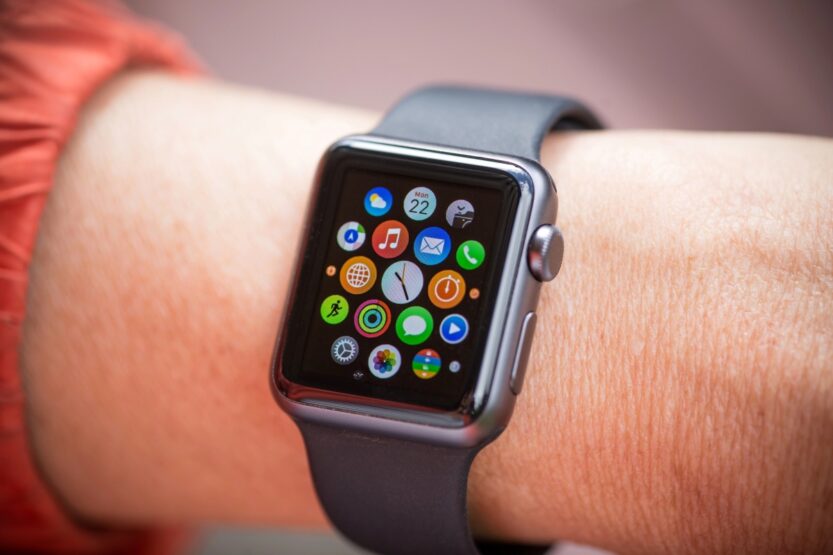
Apple Health is adding a daily readiness score, more frequent heart rate variability tracking, and a health age metric, according to a report from BoxRox.
The updates point toward a more personalized view of recovery and long-term health for gym users who already use Apple devices to log training, sleep, and activity.
The reported features could make Apple Health more useful as a place to review how hard training, sleep, and everyday stress are affecting the body. They should still be treated as prompts to assess your training plan, not as a diagnosis or a reason to let a single score run the whole week.
What Apple Health’s New Metrics Are Designed To Do
The three reported additions approach health tracking from different angles. Daily readiness is aimed at near-term recovery, HRV tracking supplies a physiological data trend, and health age is intended to summarize longer-term health information in a more familiar format.
- Daily readiness score: A daily indicator intended to help users judge their readiness for exercise or recovery.
- More frequent HRV tracking: Additional heart rate variability readings could create a fuller picture of how HRV changes over time.
- Health age metric: A health-focused age estimate designed to put selected health data into broader context.
Apple has steadily expanded its health platform beyond basic activity rings and workout records. Its Health platform already brings together data from Apple devices, compatible apps, and connected health products where available. These reported changes would push the app further toward interpreting that information, not simply storing it.
How a Daily Readiness Score Could Affect Training
A readiness score is generally most useful when it helps explain a pattern. A low reading alongside poor sleep, a higher-than-usual resting heart rate, lingering soreness, or a demanding training block may support an easier session. One low day after a tough deadlift workout, however, does not automatically call for abandoning a sensible program.
For home and garage gym training, that can mean adjusting the session without losing its purpose. Swap heavy sets for technique work, reduce conditioning volume, keep the planned lift but leave more reps in reserve, or take a recovery day when several signals point in the same direction.
Readiness tools are becoming a central feature of the wearable market. Our look at Oura and Whoop’s move beyond recovery scores covers how wearable companies are widening their focus beyond training data alone. Apple’s reported addition puts a similar daily-recovery concept in front of many iPhone and Apple Watch owners without requiring a separate fitness platform.
Why More Frequent HRV Tracking Matters
Heart rate variability, or HRV, measures the variation in time between successive heartbeats. It is influenced by the autonomic nervous system and can shift with sleep, illness, alcohol, stress, travel, training fatigue, and normal day-to-day variation.
A single HRV reading is rarely useful by itself. Your personal trend matters more than a comparison with someone else’s number, because baseline HRV varies widely among individuals. More frequent readings may help Apple Health identify a clearer baseline and show changes that are harder to spot with scattered data points.
HRV also has limits. It cannot tell you precisely how much weight to put on a bar, prove that you are overtrained, or replace attention to pain, illness, mood, and performance. A well-run program still needs sensible progression, adequate food, sleep, and planned lighter weeks. Strength and power work remain valuable for long-term function, as discussed in our guide to strength and power for long-term health.
What a Health Age Metric Can And Can’t Tell You
Health age metrics typically present selected health markers as an age-based estimate. That format is easy to understand, but it can also make a complicated collection of measurements feel more exact than it is. The BoxRox report did not detail the inputs Apple will use to calculate its health age metric, so users should wait for Apple’s methodology before drawing firm conclusions from the number.
A health age that moves in an encouraging direction may be useful as motivation to maintain consistent exercise, sleep, and other habits. It should not be read as a medical prognosis or a substitute for preventive care and professional medical advice. Anyone with symptoms, a known health condition, or a concerning change in health data should speak with a qualified clinician.
What Gym Users Should Watch For Next
The key practical details are still the feature rollout, supported hardware, operating-system requirements, and the information that feeds each metric. Those details will determine whether the new Apple Health tools work mainly with Apple Watch data, draw on connected apps and devices, or use a broader combination of health records.
Once the features are available, give them time to establish a baseline before changing a training plan. Review trends over weeks, compare the data with workout performance and how you feel, and avoid chasing a “good” score at the expense of regular training. Data is useful; a consistent squat session still counts.
Frequently Asked Questions
What Is Apple Health Daily Readiness?
Apple Health’s reported daily readiness score is intended to provide a day-to-day indication of recovery and preparedness for exercise. Apple’s exact calculation method and availability details should be confirmed when the feature is released.
Is HRV a Good Way To Measure Recovery?
HRV can be a useful recovery signal when viewed against your own baseline over time. It works best alongside sleep, training load, resting heart rate, physical symptoms, and workout performance.
Can a Health Age Score Diagnose a Medical Problem?
No. A health age metric is a consumer health indicator, not a medical diagnosis. Discuss symptoms, abnormal readings, or health concerns with a qualified healthcare professional.
Should You Skip Training When Readiness Is Low?
One low readiness score does not necessarily require a rest day. Consider reducing intensity or volume when low readings persist or match other signs of fatigue, poor sleep, illness, or declining performance.

