

Planet Fitness is signaling a bigger international push with a senior leadership change, and that matters whether you train in a garage gym or pay a monthly club fee. When a major budget chain aligns financial control with global oversight, it changes how quickly cheap memberships roll out, what competitors will face on price, and which markets finally get mass-market access to basic gym equipment.
The company has promoted an executive into a combined chief financial officer and president of international role, tying capital decisions directly to overseas rollout. That kind of title pairing normally means the brand is preparing to move beyond trial expansions and treat international growth as a measurable, funded objective.
This does not alter your next set of squats, but it does help explain a business shift that can influence the wider fitness market. For everyday lifters and home gym owners, the practical outcome is whether more affordable, convenient club options appear near you or near family and friends in other countries.
Why combining finance and international leadership matters for club growth
On the surface this is a personnel update. Practically it signals a shift toward tighter capital discipline on international openings. When budgeting and overseas strategy sit with the same executive, decisions about lease terms, buildouts, and franchising models tend to move faster and with clearer financial guardrails.
For operators that rely on franchisees, the punchline is that expansion becomes a numbers game: how many units hit break-even quickly, what royalty mix is acceptable, and which markets can scale membership counts without excessive marketing spend. For members that often translates into more predictable pricing and a clearer rollout of the brand experience.
What the company appears to be prioritizing
The hire points to three practical priorities: measured expansion, consistent unit economics, and playbooks that work outside the U.S. That usually means standardized club formats, controlled opening costs, and franchise terms designed to attract experienced local partners.
Those elements show up in everyday choices: shorter build timelines, simplified equipment lists, and membership tiers that translate easily to local purchasing power. Expect rollout plans that emphasize a low-cost entry tier alongside slightly higher-priced options with extras such as extended hours or additional classes.
- Lean buildouts to keep initial capital low
- Repeatable operating standards that franchisees can copy
- Simple pricing models that work across currencies
- Focus on membership growth rather than premium amenities
Put plainly, the brand is betting that a repeatable, low-friction model can be deployed in many places without huge local customization. That is easier to plan for when the person approving the budgets also oversees the rollout strategy.
How this could change the low-cost membership landscape
If expansion accelerates, the clearest effect will be on the affordable membership segment. Planet Fitness has long emphasized low monthly pricing and mass appeal. In markets where there are few true no-frills options, a new entrant that keeps dues low can change the expectations for what an entry-level gym costs.
For members that matters in practical terms:
- Wider access to basic gym services where low-cost options are scarce.
- Downward pressure on prices for simple memberships, particularly in suburban and urban commuter areas.
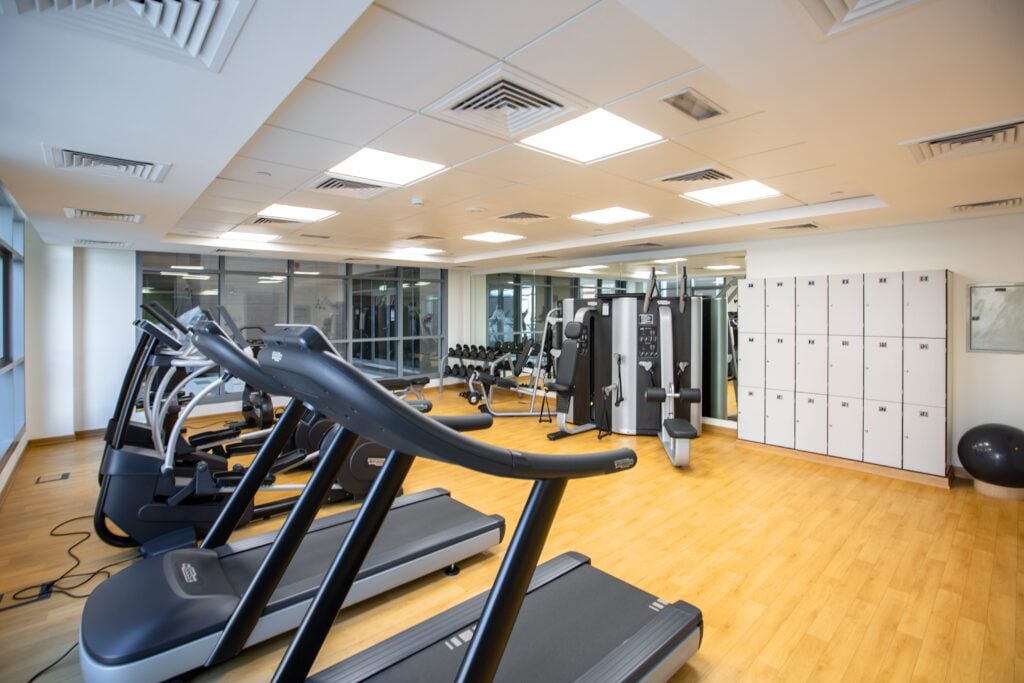
- Greater standardization of amenities like cardio machines, a small free-weight area, and locker rooms.
- More marketing aimed at retention to convert trial sign-ups into recurring revenue.
This is not a change for competitive lifters who need specialty bars and heavy plates. Planet Fitness-style clubs are built for general conditioning and convenience. That said, increased presence of budget clubs can nudge more people to start strength training, which indirectly raises the base demand for affordable equipment and programming.
What home gym owners should pay attention to
Even if you lift at home, this shift matters because the availability of low-cost clubs shapes consumer behavior and equipment purchasing habits. If more people opt for cheap club access, there may be a larger secondary market for entry-level gear and beginner programming online.
For people building a garage setup, the practical implications are:
- Price sensitivity among new gym-goers who may buy only a barbell and a few plates initially.
- Demand for compact, versatile equipment as beginners prioritize low-cost, space-efficient setups.
- Opportunity to sell or trade used gear as casual members upgrade or leave one-off purchases behind.
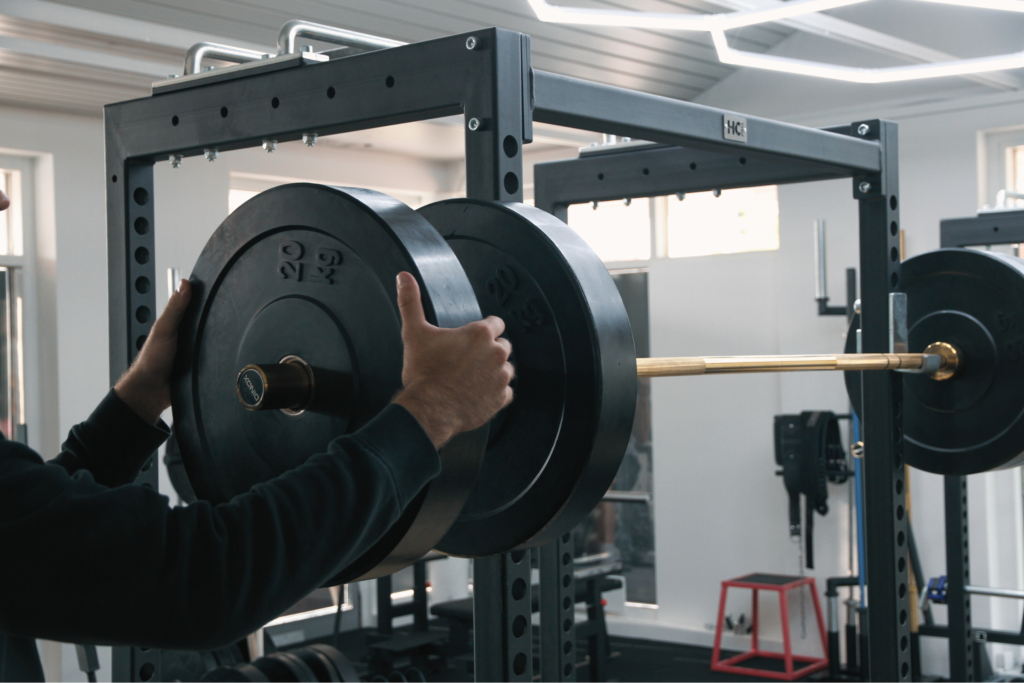
If your home setup prioritizes progression and heavy lifting, keep focusing on quality pieces like a solid barbell and a reliable rack. For riders of the budget-versus-specificity trade-off, resources on bar selection and storage can help. Consider browsing our guides on rep fitness barbells and ways to organize equipment with a rep fitness dumbbell rack if you expect demand in your area to shift.
Comparing budget gyms, home gyms, and higher-end clubs
| Fitness option | Main appeal | Potential tradeoff | Who it suits best |
|---|---|---|---|
| Budget gym membership | Low monthly cost and easy access | Smaller free-weight areas and simpler programming | Beginners, commuters, people who value price over specialty equipment |
| Home gym setup | Privacy, control over gear, and long-term value | Higher upfront cost and space requirement | Dedicated lifters and people who need specific equipment |
| Higher-end commercial gym | Varied equipment, classes, and recovery tools | Higher monthly fees | Serious lifters, class-goers, and hybrid trainers |
The practical takeaway is simple. Budget club growth and home gyms solve distinct problems. A cheap club gets more people to move, while a home gym gives you control over progression and recovery. Both can coexist, and both shape what average consumers expect to pay and what equipment they prioritize buying.
Operational challenges for global club rollouts
Expanding into new countries is complicated. Lease structures, labor costs, local franchise partners, and cultural preferences for fitness vary widely. A standard low-cost model must be flexible enough to adjust real estate footprints and equipment mixes while still protecting the brand promise of affordable access.
When a company places finance and international oversight in a single role, it often aims to reduce execution risk by aligning incentives. That can mean stricter site profitability thresholds, shorter timelines to membership targets, and playbooks for quick scaling or graceful exits where the model does not work.
For members and franchise partners, those operational choices can show up as a smaller club footprint with a curated selection of machines and a modest free-weight corner, rather than the sprawling rigs and specialty zones you see in premium clubs.
Industry implications for 2026
The larger pattern is familiar: major operators are searching for growth beyond saturated domestic markets, and international expansion is one of the clearest avenues. When a chain built on a simple proposition goes global, it can open new opportunities for franchise partners, equipment vendors, and consumers looking for low-cost options.
That could create ripple effects that matter to the garage gym community:
- More affordable club options in cities that currently have few low-cost choices.
- Growing demand for basic, durable equipment from suppliers serving new clubs and beginner members.
- Pressure on competing brands to sharpen their value or add distinctive services.
For serious lifters, this is not about replacing a power rack or a dedicated deadlift bar. It is about broadening who sees the gym as an affordable option. More first-timers means more potential training partners, coaches, and a larger market for entry-level gear.
Signals to watch next
The personnel change is the headline. The follow-through will be the concrete proof. Watch for signs such as franchise agreements in new countries, formal club opening announcements, and reported capital allocations for international development.
Other useful indicators include operational changes that make global scaling easier, like simplified buildout plans or a narrower standard equipment list. If you want to stay ready as a buyer or seller of gym gear, pay attention to how new clubs stock their floors and whether they push members toward low-cost onboarding programs.
For practical shopping guidance, consider whether your next purchase should prioritize durability and versatility. Adjustable benches and compact compound lifts remain high-value buys; our reviews of the prime fitness adjustable bench and multi-purpose racks like the rep fitness pr 5000 v2 power rack can help you decide what to add to a home setup if local club options change in the coming months.
Until more granular details arrive, the clearest conclusion is modest and practical. Planet Fitness appears to be preparing to scale internationally with deliberate financial oversight. That will mainly matter to everyday exercisers through greater access and possible price competition, and to home gym owners through shifting consumer demand for entry-level gear.
For most lifters this is background context today. For the fitness industry as a whole, it is a reminder that affordable access and scale remain powerful forces shaping what people expect from clubs and from their own training spaces.

