
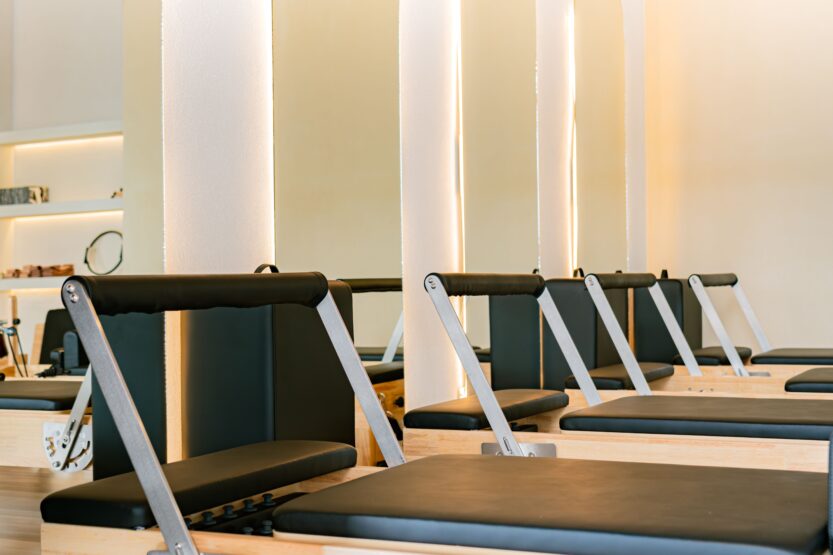
InLife Wellness, an Australian Pilates chain that operates 60 studios, is moving to the United States using a franchise model. That matters to lifters, runners, and home gym owners because franchised expansion changes how easy it is to book coached sessions, which gear local studios stock, and how studios price classes versus memberships… factors that affect recovery plans, cross-training choices, and the decision to buy home equipment.
Why this matters to lifters, runners, and home gym owners
More franchised Pilates locations generally means easier access to instructor-led classes and specialized machines. For athletes who rely on Pilates for mobility, rehab, or core control, greater local availability reduces friction: fewer scheduling conflicts, more consistent technique feedback, and simpler integration into weekly training cycles.
For people with home gyms the effect is indirect but real. A larger franchise footprint nudges demand for compatible accessories such as thicker mats, small props, and compact reformers, and it can shift the relative value of paying for coached sessions versus owning equipment. If studios compete on price to attract members, you may see more promotional bundles that make occasional coached sessions cheaper than a costly upfront equipment purchase.
What franchising typically means for a fitness brand
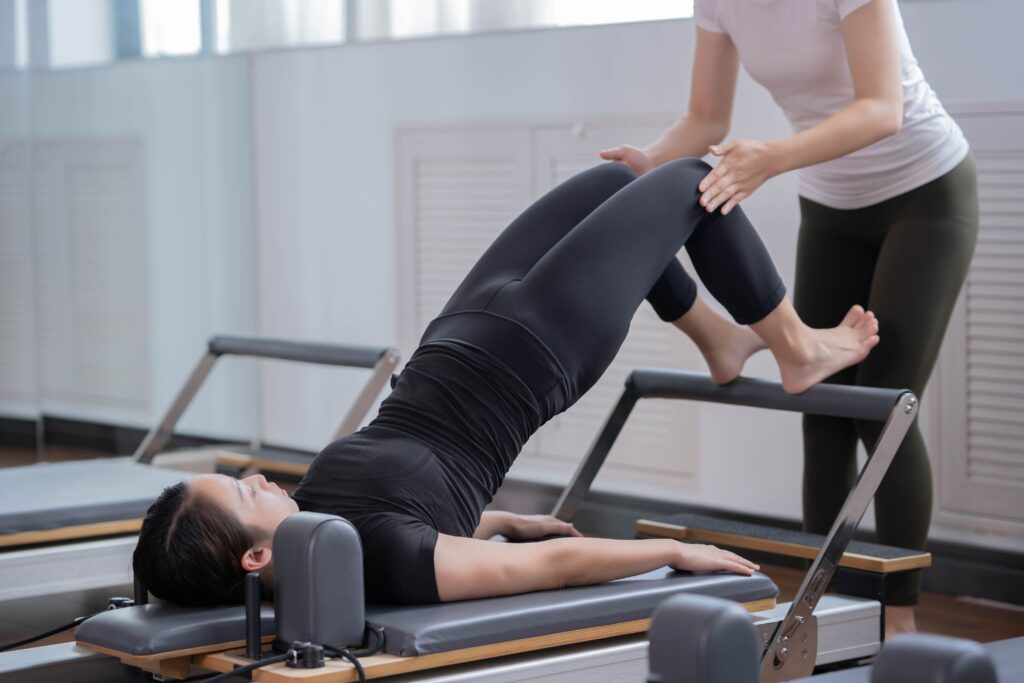
When a studio goes the franchise route it usually enforces a consistent class format, instructor standards, and equipment list. That helps customers know what to expect when they try a new location and helps franchisees get up and running faster. It also centralizes buying and back-office systems, which can lower supply costs and streamline scheduling and payroll for franchise owners.
- Brand consistency: Franchises tend to replicate class structure, cueing style, and studio layout so the experience feels familiar across locations.
- Instructor pipelines: Franchise networks commonly require specific certifications or in-house training programs to keep instruction uniform.
- Bulk procurement and operations: Centralized purchasing can reduce equipment and apparel costs and tie into software services used by multi-location and franchise fitness operators.
For a trainer or small studio owner those facts matter. Franchises can offer steadier revenue and marketing muscle, but they also raise the bar for initial investment and adherence to corporate systems.

Create Creatine Monohydrate Gummies for Women and Men, Orange, 90ct
Training impact: studio Pilates versus home practice
Studio classes bring in-person corrections, progressive programming on reformers and Cadillac equipment, and the accountability of scheduled sessions. Home practice gives you flexibility and lower recurring expense once you own the essentials. Both approaches work; the choice comes down to what you need most right now.
| Factor | Studio Pilates | Home Pilates |
|---|---|---|
| Coaching | High. Real-time cueing and manual adjustments from instructors. | Low to moderate. Video guidance or occasional remote coaching. |
| Equipment | Access to reformers, towers, and studio-grade props. | Basic mats, bands, small props, or a compact reformer if space and budget allow. |
| Scheduling | Fixed class times that build habit. | Complete flexibility but requires self-discipline. |
| Cost profile | Ongoing fees, often monthly or per-class. | Upfront equipment cost with lower recurring spending. |
What this means for equipment choices
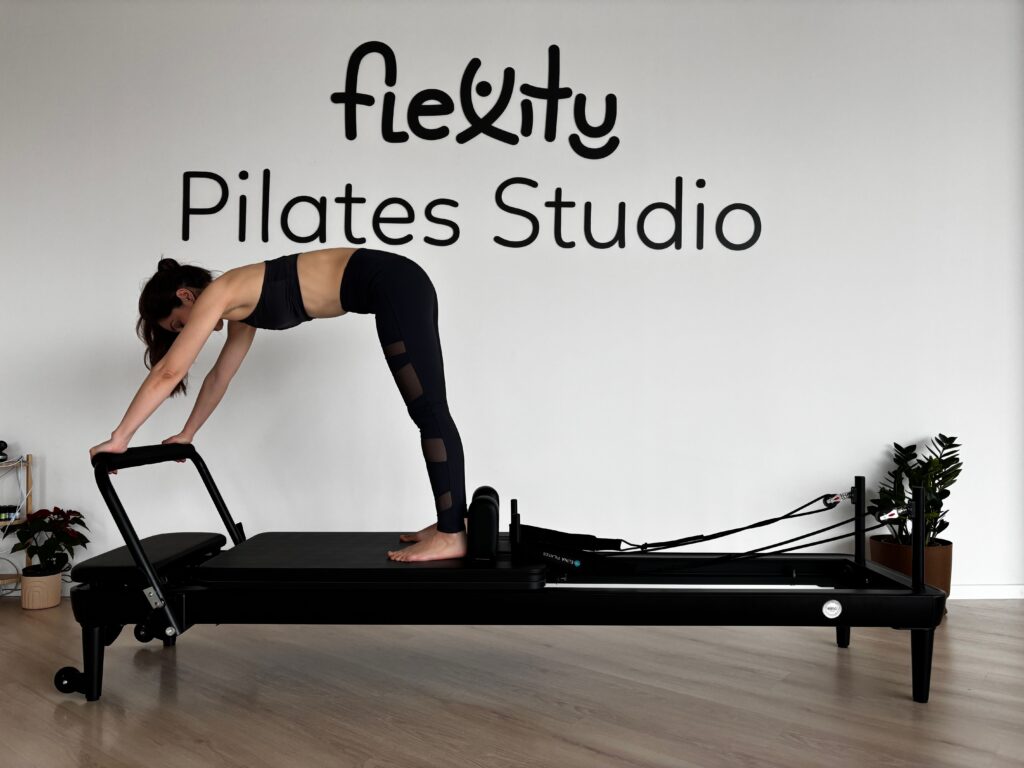
If a new franchised studio appears nearby you can lean on coach-led sessions for technical work and skip buying expensive studio equipment right away. If the nearest studio is far away or membership prices are prohibitive, owning a compact reformer or higher-end mat becomes more attractive.
For strength athletes and hybrid trainers Pilates can be a high-return supplement: it improves movement control, supports shoulder and hip health, and provides low-impact options for active recovery. Use studio time to learn movement patterns and cueing, then replicate maintenance work at home with targeted accessories.
Cost and access: practical considerations
When franchises expand they often bring introductory offers to build a local customer base. That can make coached sessions accessible while you test whether Pilates moves the needle in your program. However, franchise expansion also means higher real estate and operational costs in some markets, which will influence membership pricing over time.
Large franchising deals in the Pilates and boutique fitness world show how scale can reshape pricing and availability. Keep those dynamics in mind when comparing the amortized cost of a home setup versus the monthly cost of regular studio attendance—especially if you travel and want consistent instruction across cities via standardized locations like the 70-unit deals other boutique chains have pursued.
Advice for different reader types
- Home gym owners: Use supervised classes to learn technique and then keep a compact, low-footprint setup for daily work. Minimal items like a supportive mat, resistance bands, and small props cover most maintenance needs.
- Strength athletes: Schedule Pilates sessions around heavy training blocks to enhance mobility and reduce injury risk. Treat studio sessions as skill work and home practice as conditioning.
- Trainers and instructors: Franchises create teaching job opportunities and standardized career paths. Watch for franchise openings and partnerships, similar to how some brands attract public-facing franchise partners and investors.
- People on a budget: Compare bundle pricing, introductory packages, and class passes against the one-time cost of at-home equipment. Short-term class access is usually cheaper for learning form, while long-term daily practice favors ownership.
For trainers exploring franchising yourself, note that brand-backed systems often require franchise fees, training commitments, and adherence to brand standards. Those trade-offs come with marketing support and operational templates that help scale faster.
Analysis: likely short-term and long-term effects
Short term, expect greater local awareness, trial offers, and higher foot traffic as franchises open new studios. That benefits athletes who need in-person coaching. Long term, a larger franchise presence can push the market toward standardized classes and membership tiers, which may squeeze smaller studios that depend on unique programming or community-driven pricing.
Beyond pricing, franchising affects hiring and certification pipelines. Larger brands can professionalize instructor training but may also reduce regional variation in teaching styles.
Bottom line and next steps for readers
If you use Pilates for recovery, mobility, or to complement strength training, the rollout of more franchised studios likely increases your options for coached work. Before swapping money between a class pack and an expensive piece of equipment, try a coached class to confirm the format and teaching style fit your needs.
Action items:
- Book a drop-in class to evaluate instructor cueing and studio equipment before buying a home reformer.
- Compare local membership offers and watch for seasonal promotions when franchises launch.
- Prioritize gear that fills the biggest gap in your routine: a firm mat for daily practice, bands for strength maintenance, or a compact reformer if you need daily guided resistance work.
As franchised Pilates brands expand, balance studio instruction for technical progress with a practical home setup for consistency. Keep an eye on franchise openings and partnerships as they influence pricing and access, and consider how larger rollouts compare to other franchise movements in the fitness space like those that feature public-facing partners and investor-backed deals such as marshmello as equity partner and franchisee and the broad rollouts seen with 70-unit franchise deals.

