

User Review
( votes)Many people build a home gym intending to push their bench numbers higher. Strength gains are within reach for most lifters, but the difference between steady progress and recurring shoulder trouble often comes down to small choices in technique, programming, and equipment. This piece lays out practical, research-aligned steps you can take to raise your bench press while preserving shoulder health, and it explains which gear is worth prioritizing when outfitting a home gym.
Read on for clear, actionable advice on setup cues, accessory selection, and buying priorities. You will find specific programming guidance, recovery practices, and equipment features that matter most for safe, long-term progress so you can invest time and money wisely.
Simple Strategies To Boost Your Bench Press And Save Your Shoulders: What to Know Before Buying for a Home Gym
Start by checking movement quality before shopping for a bench or rack. Bench press performance depends on three practical elements: a reliable bar path, consistent upper back tension, and a repeatable shoulder position under load. Focus first on building a setup that you can reproduce every single set. Consistent setup reduces wasteful movement and limits repetitive strain, which means you get stronger without progressively overloading vulnerable shoulder tissues.
Grip width and elbow angle are simple variables that change which parts of the shoulder and chest take the load. Most lifters feel more stable with a grip that lets the elbows travel at roughly 45 degrees from the torso instead of flaring straight out. In addition, keep emphasis on scapular positioning so the shoulder blade creates a sturdy base rather than allowing the glenohumeral joint to endure shear forces.
Technique Adjustments That Deliver Strength With Less Risk
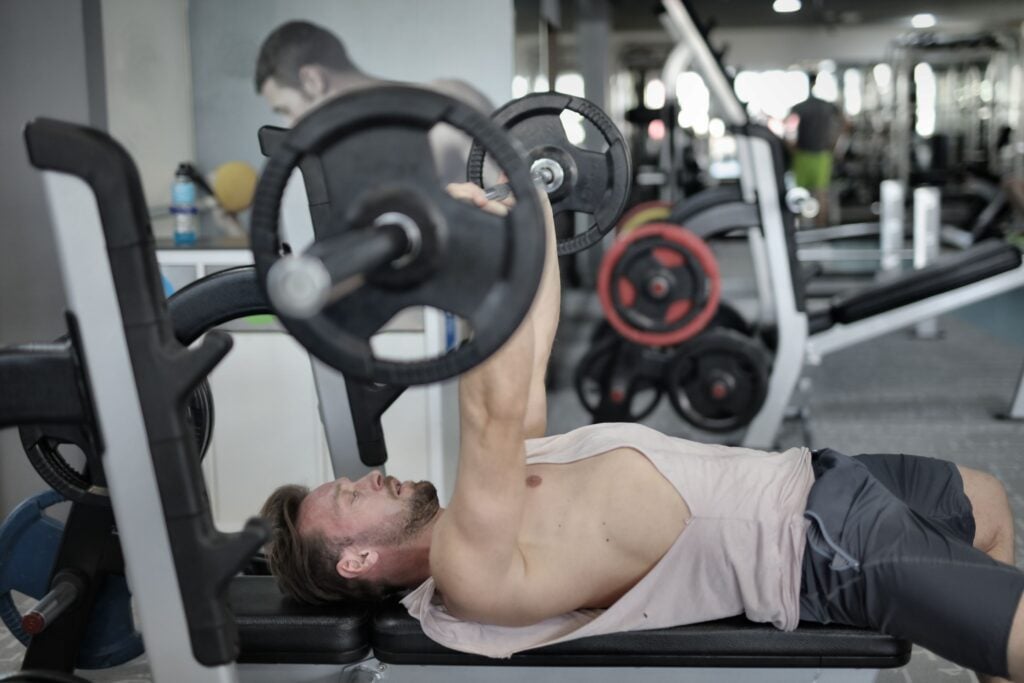
Refining technique can raise your effective pressing weight without increasing raw load. Build a routine around the same pre-lift checklist: retract and depress the scapulae, brace the midline, and establish firm foot contact to use leg drive. These cues help you direct force through the chest and triceps while protecting the shoulder complex. Small, repeatable changes in setup often translate into immediate improvements on heavy lifts.
Use your warmup sets to reinforce the pattern rather than treating them as low-effort prep. Perform your submaximal work with the same pause, bar path, and tempo you plan to use on heavy attempts. That trains the nervous system to execute the safer pattern when the weight increases.
Accessory Work To Support The Press And Protect The Shoulder
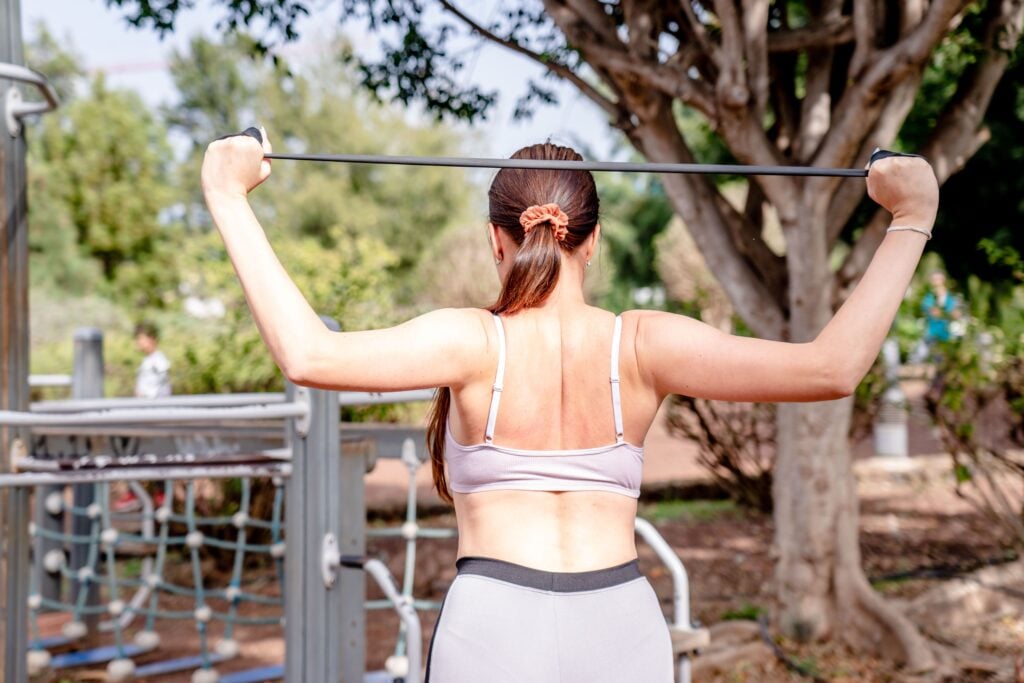
Accessory training is not optional if you want a durable bench press. Strengthening the upper back, rotator cuff, and triceps creates balance and reduces compensations. Include horizontal and vertical rows, face pulls, band pull aparts, and resisted external rotations across the week. Two focused sessions per week for scapular stabilizers and rotator cuff work is a practical minimum for most lifters.
Triceps capacity is a limiting factor for many lifters. Heavy close-grip pressing and targeted lockout work shift load away from the shoulder at the top of the lift. Keep volume moderate and prioritize technique—quality of accessory work matters more than quantity for injury prevention.
Equipment Choices That Influence Shoulder Stress
Equipment affects how safely you can load the bench press. Look for benches with a rigid frame and minimal wobble to preserve consistent bar path. An adjustable bench adds value because it lets you train a range of pressing angles that can relieve painful positions and strengthen the shoulder in different ranges of motion. For incline or decline work, a trustworthy adjustable bench is often more useful than a boutique attachment.
When shopping, note common bench pad widths and load ratings. Bench pad widths typically fall between 10 and 13 inches, which changes how your scapulae sit and how easily you can retract them. If you plan to lift heavy for long-term progress, choose benches and racks with conservative load ratings and strong build quality. A power rack with adjustable safety pins allows training to technical failure more safely and is a high-value purchase for people planning real strength cycles.
Practical Equipment Comparison
| Equipment | Best For | Space/Footprint | Shoulder Impact |
|---|---|---|---|
| Flat Bench | Basic pressing work and accessory lifts | Small | Neutral when paired with solid technique |
| Adjustable Bench | Multiple pressing angles and targeted rehab variations | Moderate | Lower risk with incline options to reduce impingement |
| Power Rack With Adjustable Pins | Heavy singles, safer failure recovery, and bar storage | Large | Improves safety and reduces emergency shoulder motion |
| Compact Combo Racks | Space-conscious setups with reasonable safety | Small to moderate | Good if pins are positioned correctly and structure is stable |
Programming Tips To Increase Bench Strength Without Overloading Shoulders
Progressive overload remains the path to more strength, but the method matters for shoulder health. Make incremental increases in weight—typically 2.5 to 5 percent on upper-body movements—while alternating heavier intensity blocks with lighter, speed-focused weeks. That combination produces neural and muscular gains without chronically overtaxing tendons.
Schedule planned deloads every 4 to 8 weeks depending on volume and intensity. Tendons and connective tissues adapt slower than muscle; allowing 6 to 12 weeks for connective tissue adaptation when you step up training volume is a reasonable expectation. Short, intentional recovery phases help keep pressing frequency sustainable over years.
Quick Actionable Checklist
- Verify your setup: consistent bench contact and solid foot drive before heavy attempts.
- Moderate your grip: maintain an elbow angle around 45 degrees to reduce joint shear.
- Balance push and pull: add upper-back and rotator cuff work twice weekly.
- Prioritize safety features: choose benches and racks with stable frames and adjustable safety stops.
- Progress slowly: increase load in small steps and schedule deloads for tendon health.
Recovery, Mobility, And Nutrition Considerations
Recovery will determine whether you gain strength or accumulate wear. Aim for 7 to 9 hours of sleep when training intensely and follow a protein target in the range of 1.6 to 2.2 grams per kilogram of bodyweight to support muscle repair. Consider a daily creatine dose of 3 to 5 grams if you want a low-cost, well-studied boost to repeatable strength and recovery.
Mobility and thoracic extension matter more than many lifters expect. Improved thoracic mobility allows a safer pressing posture and reduces compensatory shoulder rotation. Simple drills such as banded distractions, foam roll thoracic extension, and controlled scapular mobility performed several times per week produce meaningful changes over a few weeks.

Create Creatine Monohydrate Gummies for Men & Women, Boost Focus, Strength, and Endurance, Anti-Melting Formula, Vegan, Gluten-Free, Non-GMO, 1.5g of Creatine per Gummy (Orange)
Costs And Buying Priorities For Home Gyms
Spend first on stability and safety. A well-built rack and a steady bench will expand training options and reduce the odds of an equipment-related problem. If your budget is limited, prioritize a rigid bench and a power rack with adjustable pins rather than buying novelty accessories. That approach gives the most training utility per dollar and lowers long-term replacement costs.
For bench selection consider specific models that match your goals. A high-quality flat bench is excellent for pure pressing and accessory work; an adjustable option adds rehabilitation and angle variety. For readers choosing between models, check bench pad width and load rating to ensure the product supports how you train. If you want a broader buying guide, see our roundup of the best weight benches home gym. For a reliable mid-range adjustable option, consider the prime fitness adjustable bench or the rep ab 3000 fid adjustable bench depending on footprint and budget.
When To Seek Professional Help
If shoulder pain limits daily function or persists despite a week of reduced pressing load, get an assessment from a clinician. A qualified coach can also provide targeted feedback on setup and programming to address imbalances. Sharp pain, loss of strength, or numbness warrant immediate evaluation and avoidance of heavy pressing until cleared.
Early, targeted intervention is more effective than long-term stop-gap adjustments. If symptoms are mechanical and related to pressing posture, technique changes and a short, structured corrective plan often restore pain-free lifting.
Putting It All Together
Increasing your bench press while protecting your shoulders is manageable when you pair consistent setup, balanced accessory work, and sensible equipment choices. Prioritize a stable bench, a rack with safety features, and programming that builds strength in gradual steps. Invest in the fundamentals and program recovery intentionally, and you will likely see steady gains without chronic shoulder pain.
These practices let you progress over months and years instead of chasing short-term numbers that lead to injury. Buy equipment that supports safe progression, build a program that strengthens supporting tissues as you add load, and treat recovery as part of the training plan rather than an optional extra.

