Everhaus is pitching a single, all-in membership that bundles strength and cardio training, recovery services, and nutrition support into one monthly fee. That matters because it changes the decision calculus for people choosing between investing in a permanent home gym or paying for multiple outside services — and it affects real things like cost, time, and the kind of progress you can realistically make.
The shift matters beyond price. Choosing a consolidated membership changes how you access coaching, how often you can use recovery tools, and whether you need to buy specialty equipment. For busy athletes and home gym owners, those tradeoffs touch on convenience, long-term value, and training outcomes.
What Everhaus is promising in plain terms
At its core the model is a bundled membership that combines access to a gym floor, group classes, one-on-one coaching, and on-site recovery options under a single monthly charge. The goal is to replace the need for multiple subscriptions and separate appointments with an integrated experience that makes it easier to stick with a program and recover.
Bundled services are the selling point: instead of juggling an app for programming, a separate therapist for recovery, and a nutrition coach, the pitch is to have all of that coordinated through one provider so the plan is simpler to follow.
How this affects home gym owners and strength athletes
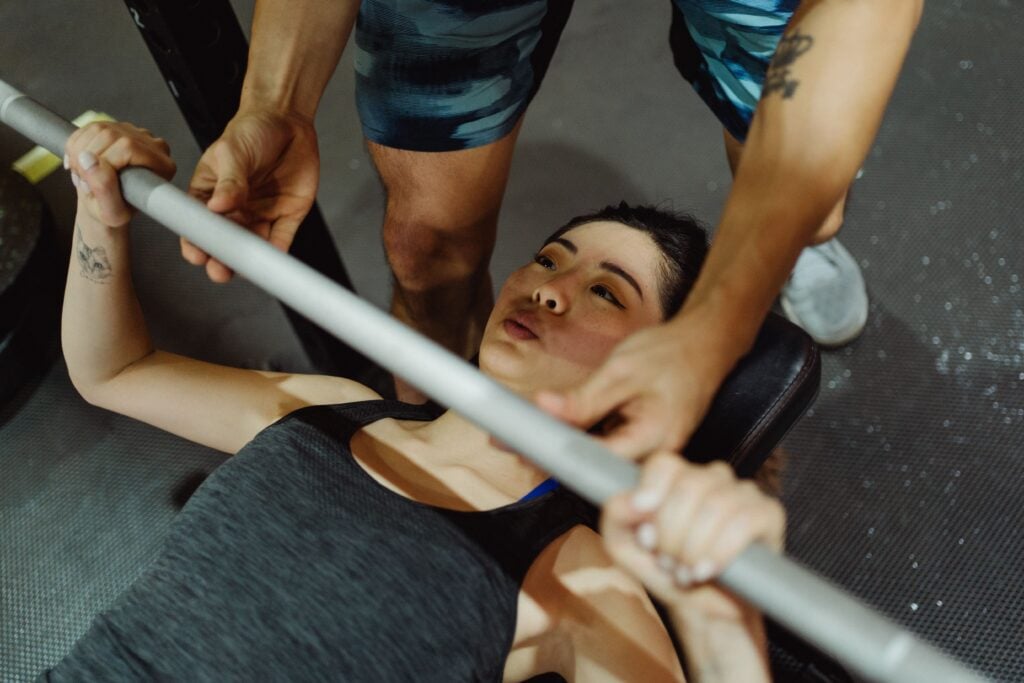
For people who already own equipment at home, the biggest differences are external resources you cannot replicate easily at scale: consistent face-to-face coaching, large-format specialty gear, and staffed recovery services. Those are the reasons some athletes still keep a commercial membership alongside a garage gym.
- Coaching and programming. Regular in-person coaching shortens the feedback loop on technique and programming errors, which can speed progress for intermediate and advanced lifters who plateau on self-directed plans.
- Specialty equipment. Things like sled bays, strongman implements, and multiple deadlift platforms are common in commercial spaces but rare at home. If you want that variety without buying it, a club membership can fill the gap. Consider how a full rack and deadlift platform compare to home options like a rack and bar setup such as the Rep Fitness PR-5000 V2 power rack for heavy lifts.
- Recovery gear. On-site saunas, compression therapy, and staffed soft tissue work reduce the hassle of scheduling external appointments. That convenience matters if you actually use those services regularly.
For many home gym owners the smart plan is hybrid: keep foundational equipment at home for consistency and use a bundled club selectively for coaching cycles or recovery blocks you cannot achieve alone. If you are still building a kit, start with core pieces and add specialty items only when they meaningfully change your program.
Costs and value: what to weigh before joining
Price alone does not tell the story. A bundled membership can look expensive next to a basic gym plan, but compare it against the total you are paying for apps, private coaches, massage, and specialty studios. A few realistic comparisons to keep in mind:
- Single boutique class prices commonly run between $20 and $40 per session.
- One-on-one coaching or nutrition counseling sessions typically cost $60 to $150 per hour for experienced providers.
- Building a functional home setup with a quality rack, barbell, plates, and adjustable bench often starts around $1,000 and can climb to several thousand dollars for higher-end gear.
Use frequency is the decisive variable. If you plan to use coaching and recovery weekly, a consolidated membership may be cost-effective. If those services would sit unused, owning equipment plus occasional appointments is usually cheaper over several years.
- Catalog every service you now pay for: apps, classes, therapy, online coaching, and any recurring subscriptions.
- Multiply monthly costs by 12 to get an annual baseline and compare that to the bundled membership price.
- Be realistic on how often you will book coached sessions and recovery appointments; assumed usage should drive the math.
Equipment and training impact compared

| Feature | Typical premium club | Everhaus positioning | Home gym |
|---|---|---|---|
| Strength equipment | Multiple racks, platforms, specialty bars | Markets itself as full-service with a range of free weights and machines | Scales with budget; you can replicate most essentials with a bar, plates, and rack plus a bench like the Prime Fitness adjustable bench |
| Coaching and programming | Staffed coaches and scheduled classes | Includes group classes and offered coaching options as part of membership tiers | Often requires paid online coaching or self-programming |
| Recovery | Saunas, compression boots, dedicated therapists in some locations | Emphasizes recovery amenities alongside training access | Limited to portable tools such as percussion devices and foam rollers |
| Convenience | Centralized services but requires travel and time | Aims to reduce outside appointments by consolidating services | Highest day-to-day convenience for quick sessions at home |
Recovery access: why it changes training plans
Regular, easy access to recovery services changes how you can structure weekly work. If you can legitimately add short recovery sessions after heavy days, you are more likely to tolerate higher training frequency without burning out. That matters when the goal is strength or hypertrophy and volume is a primary driver of progress.
Practical recovery is also about timing. Being able to hop into a 15 to 30-minute post-session recovery routine at the same facility lowers the barrier to consistency and reduces the chance that you skip crucial soft tissue or mobility work.
Nutrition and supplemental services
Bundling nutrition counseling with training removes a common coordination problem: coaches and dietitians working from different plans. When nutrition is tied into the same membership structure you get easier accountability and a single plan to track against.
Accountability and integration reduce friction. Whether you need macro adjustments, meal timing tweaks around training days, or targeted weight changes, having coordinated support simplifies decision-making and makes small adjustments more likely to stick.
Opove M3 Pro 2 Massage Gun Deep Tissue for Workout Recovery, Black | Percussion Muscle Massager, Handheld Therapy, 4-8 Hours Battery Life, Powerful, Quiet, Ideal for Athletes and Fast Recovery
What to ask before you sign up
Before signing check exactly what the membership covers and how add-ons are handled. Key questions to get in writing include coach-to-member ratios, whether nutrition consults are included or billed separately, recovery session availability, and any limits on specialty equipment use.
- Are coaching sessions included in the base price or billed per session?
- How many recovery treatments are covered each month and are they first-come, first-served?
- Do classes require reservations and how large are class sizes?
- What are the contract length, cancellation, and freeze policies?
How to decide between a full-service club and a home setup
Make the decision by answering three practical questions. Do you need regular hands-on coaching enough to justify a monthly fee? Will you reliably use recovery amenities often enough to make them cost-effective? Can your home setup provide the training stimulus you need without repeated outside appointments?
Time and consistency are often the tiebreakers. If you are short on time and want one place to train, recover, and get nutrition feedback, a consolidated membership reduces logistics. If you prefer independence and want to minimize long-term costs, invest in durable home gear and book professional services only when necessary — for example, add specialty bars or a targeted machine after you outgrow the basics, or consider upgrading to specialty dumbbells like the Rep Fitness rubber grip hex dumbbells as capacity needs grow.
Quick checklist for shoppers
- List current subscriptions and multiply by 12 for an annual cost baseline.
- Estimate realistic monthly usage of coaching and recovery at the club.
- Compare that to one-time equipment purchases and their usable lifespan.
- Factor commute time, appointment flexibility, and how each option affects training consistency.
Final take for strength athletes and home gym owners
Everhaus frames a simple proposition: less administrative overhead and a single relationship that covers training, recovery, and nutrition. For athletes who will consistently use those services, that convenience can translate into better adherence and fewer coordination headaches. For lifters who already own a robust home setup and have reliable programming, sticking with a hybrid approach or occasional professional sessions will usually be the cheaper long-term option.
Your best choice comes down to honest usage estimates and clear math. If the membership replaces multiple regular expenses you already pay and increases your consistency, it can be worthwhile. If it mostly duplicates what you do at home, keep investing in quality gear and targeted outside services only when they clearly improve your training outcomes.