
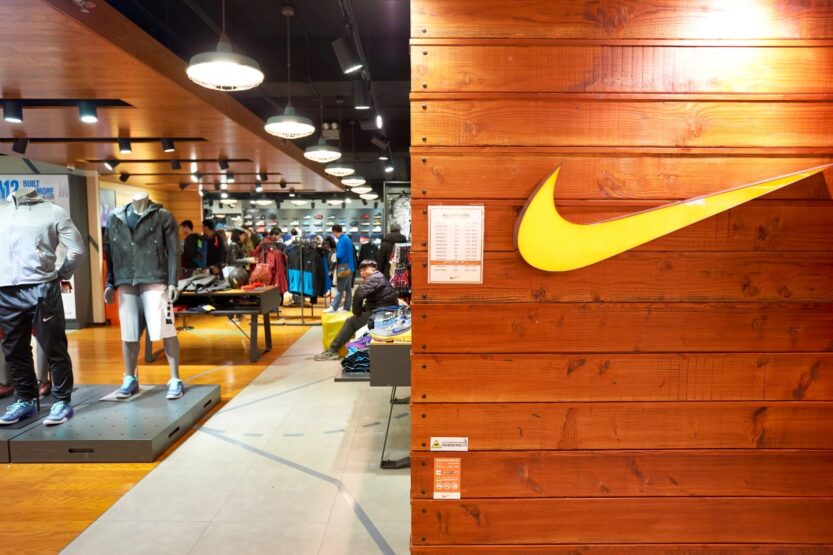
Nike is expanding the reach of Nike Strength in the United States by placing its equipment in Johnson Fitness & Wellness stores nationwide. That gives home gym shoppers another in-person option for comparing strength gear before committing to a purchase, which is especially useful for equipment that needs to feel stable and comfortable under load.
The move also puts one of the world’s most recognizable athletic brands more directly into the home fitness hardware business. Shoes and apparel can be ordered with relatively little risk, but benches, barbells, dumbbells, kettlebells, and storage systems are different purchases. Shoppers want to check build quality, dimensions, grip, finish, and how a piece of equipment fits into an actual training space.
For lifters, coaches, runners adding resistance work, and active adults assembling a garage gym, broader retail access could make comparison shopping easier. It is another sign that strength training equipment is drawing attention well beyond the specialty lifting market.
What Nike Is Expanding
Nike Strength equipment is being added to Johnson Fitness & Wellness stores across the country, extending the brand’s physical retail presence in the strength category. Nike is widely associated with footwear and apparel, but its equipment lineup gives it a route into the everyday training spaces where people lift, perform accessory work, and build healthier routines at home.
The bigger story is the retail strategy rather than one isolated product. National store placement puts Nike Strength in front of shoppers who may never browse a dedicated barbell retailer, yet still want dumbbells, a bench, kettlebells, or other tools for resistance training. It also creates a more direct side-by-side comparison with established fitness equipment brands.
Seeing equipment in person matters when the details determine whether it will work in a serious home gym. Bar texture, handle diameter, bench pad density, rack stability, plate tolerances, and protective finishes can all affect training comfort and long-term ownership. Buyers weighing free weights should still consider the practical differences between kettlebells and dumbbells for building strength at home before choosing based on branding alone.
Why Strength Training Equipment Is a Bigger Business Than It Looks
Strength training is no longer tucked into a small corner of the fitness market. Home gym owners increasingly want equipment that supports regular resistance training, from compact dumbbell sets to racks, benches, cable attachments, plates, and storage that prevents a training area from becoming a tripping hazard.
That broad appeal explains why major consumer brands want a place in the category. Strength equipment can serve experienced lifters pursuing progressive overload, runners who need durable lower-body work, personal trainers building client spaces, and beginners who simply want a reliable way to move more. The same home setup can support muscle growth, bone-loading exercise, improved balance, and general physical capacity when it is used consistently.
More competition can benefit consumers if it improves availability, pushes companies to sharpen product quality, or creates clearer choices at different budgets. Still, a familiar logo is not a substitute for strong welds, sensible dimensions, useful warranties, and equipment that fits a training plan. Buyers working with tighter budgets may find that a carefully selected mix from the best budget home gym equipment options offers more training value than paying extra for a name alone.
What Home Gym Buyers Should Look For
If Nike Strength equipment is displayed next to other options in retail stores, the buying standards should remain the same. Name recognition can make a product easier to trust initially, but function, durability, and fit should decide what earns a spot in the garage, basement, or spare room.
- Stability: Benches, racks, and storage should stay planted and feel secure under the loads you expect to use.
- Build quality: Welds, upholstery, hardware, finishes, and moving parts matter after months of repeated training.
- Fit for your training: Equipment should support powerlifting, general strength work, accessory training, or the specific goals you actually pursue.
- Space efficiency: Home gym buyers need gear that fits the room they have, including clearance for lifting and storage.
- Service and support: Retail availability is only one part of ownership, particularly when replacement parts or warranty help are needed.
That final point deserves more attention than it usually gets. A strength equipment purchase is not about the first workout or how polished it looks on a showroom floor. It is about whether it remains reliable through repeated sessions, whether components can be replaced, and whether the retailer can help if a product arrives damaged or needs adjustment.
Why Retail Placement Still Matters In Fitness
Fitness brands pursue store placement because physical retail still shapes discovery, particularly for higher-cost equipment. A shopper may walk in for a treadmill, pair of dumbbells, or recovery accessory and leave comparing benches, plates, bars, and storage they had not planned to consider. That kind of hands-on browsing is difficult to duplicate with product photos and spec sheets.
For Nike, greater visibility can introduce its strength line to a larger group of consumers. For Johnson Fitness & Wellness, a recognizable brand can give shoppers another reason to visit a store and evaluate equipment face to face. This matters most for buyers who want to check a handle’s feel, test a bench adjustment, or understand the true footprint of a piece before arranging delivery.
The broader market is moving toward more options for people who want commercial-style training capability at home without turning their space into a full commercial gym. Connected systems are part of that shift as well, although a smart platform is not automatically the right purchase for every lifter. Buyers considering that route can compare the best smart home gym equipment for 2026 alongside traditional free-weight setups.
What This Means For Training And Recovery
On a practical level, better access to equipment can help people train more consistently. Consistency matters far more than novelty, and a setup that is convenient enough to use several times a week can be more valuable than premium gear that does not suit the space or routine. A solid bench, appropriate free weights, and a manageable progression plan can cover a great deal of useful strength work.
More in-store availability may also lower the barrier for newer lifters who feel overwhelmed by online options. Resistance training does not need to begin with a complex room full of machines. A sensible selection of basics, appropriate loading, and attention to technique can build a foundation for strength, confidence, and healthier long-term movement.
Recovery belongs in the decision as well. Well-built equipment that is appropriate for the exercise can make sessions feel more controlled and reduce avoidable frustrations such as wobbling benches, awkward handles, or storage that creates clutter around the training area. No equipment is injury-proof, but stable gear and sensible progression make a home gym easier to use safely over time.
What To Watch Next
The main question is whether Nike’s wider retail distribution leads to a deeper assortment of Nike Strength equipment and whether buyers view the line as a serious option alongside brands already established with garage gym owners. Pricing, durability, product specifications, and warranty support will matter more than logo recognition once equipment is placed under regular load.
For now, Nike Strength products appearing in more Johnson Fitness & Wellness locations give consumers another line to inspect and compare. Home gym buyers replacing worn gear or building a first setup should use that access to evaluate the equipment closely, compare total costs, and choose pieces that match how they train. The logo may get a product onto the showroom floor, but the equipment itself still has to earn its place in the gym.

