

User Review
( votes)Drop sets are a straightforward way to make a muscle work longer without adding separate exercises. They are especially useful when time or equipment is limited, but they are not a shortcut that guarantees faster muscle growth on their own. Use them strategically and they can boost session effectiveness.
This guide breaks down how drop sets change the training stimulus, which lifters gain the most, and how to add them safely in a home gym. Expect practical, no-nonsense tips you can try on your next session.
How Drop Sets Increase Fatigue And Stimulus
Fundamentally, a drop set extends one exercise by reducing load and continuing immediately after reaching near-failure. That combination raises **metabolic stress** and increases **time under tension**, keeping a larger share of muscle fibers working later in the set.
Those two variables matter because muscle growth responds to total mechanical tension, metabolic stress, and how long fibers are active. Drop sets are particularly effective at raising the last two, which makes them a time-efficient way to add stimulus when you do not want extra full sets.
What The Evidence Says About Hypertrophy
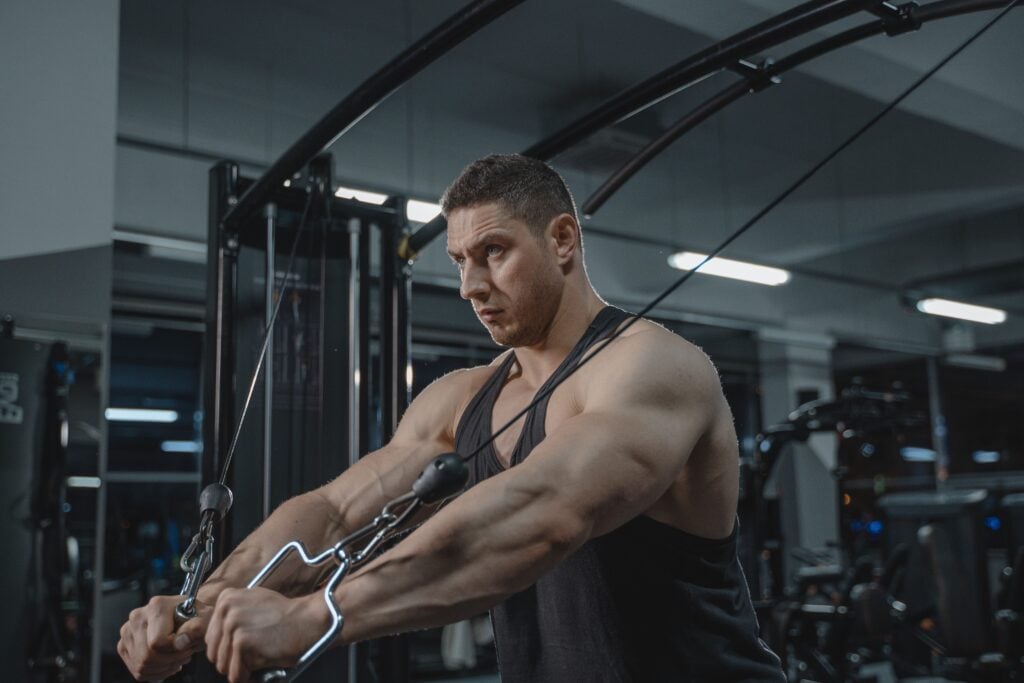
Head-to-head comparisons typically find that when total training volume is matched, **drop sets** produce similar increases in muscle size to straight sets. The real value of drop sets is often their ability to add effective volume in less time.
In practice, that means drop sets are a useful tool for increasing workload density but not a guaranteed superior method for hypertrophy if you already have a well-structured volume plan.

ZELUS Weighted Vest, 6lb/8lb/12lb/16lb/20lb/25lb/30lb Weight Vest with Reflective Stripe for Workout, Strength Training, Running, Fitness, Muscle Building, Weight Loss, Weightlifting, Black(12 lb)
Who Benefits Most From Drop Sets
- Time-Crunched Trainees: When workouts must be short, a single drop set can give the same local fatigue as multiple traditional sets.
- Advanced Lifters: Experienced trainees who need novel ways to accumulate fatigue can use drop sets to push stubborn muscle groups past plateaus.
- Home Gym Owners: Drop sets let you squeeze extra work from a single pair of dumbbells or a limited weight stack, making them an economical tool for home training.
- Accessory Work: Use drop sets for smaller muscles and finishers where form can be preserved while pushing metabolic stress.
When Drop Sets Are A Poor Choice
Drop sets do not belong on heavy compound lifts where technique and bar speed are priorities. Using them on squats, deadlifts, or heavy presses increases the risk of technical breakdown and injury. Reserve drop sets for isolation or machine work.
If your recovery is already taxed, frequent drop set usage across many muscle groups can produce excess fatigue without extra gains. Treat drop sets as a targeted tool rather than a daily default.
How To Add Drop Sets To Your Program Safely
Start with one or two movements per session, typically machines, dumbbells, or cables where loading changes are quick. A common approach is 1–3 drops per set, reducing the weight by roughly 20–40 percent at each step and continuing until you reach the desired local fatigue.
Execute the first portion with a weight that brings you to near-failure in the planned rep range. Immediately lower the load and continue. Repeat once or twice depending on how much additional fatigue you need. Maintain strict technique and stop the set if form collapses.
Recovery matters because drop sets generate substantial local fatigue. Track soreness, sleep quality, and strength trends, and give worked muscles extra recovery attention when you use drop sets regularly.
Practical Session Examples
- Upper-Body Finisher: After pressing work, use a drop set on dumbbell flyes or lateral raises to drive the isolating muscles. Keep the drops controlled and the range of motion strict.
- Leg Accessory: Use a leg extension drop set after your heavy squats to fatigue the quads without compromising squat technique. Soreness often peaks 24 to 48 hours later, so plan recovery accordingly.
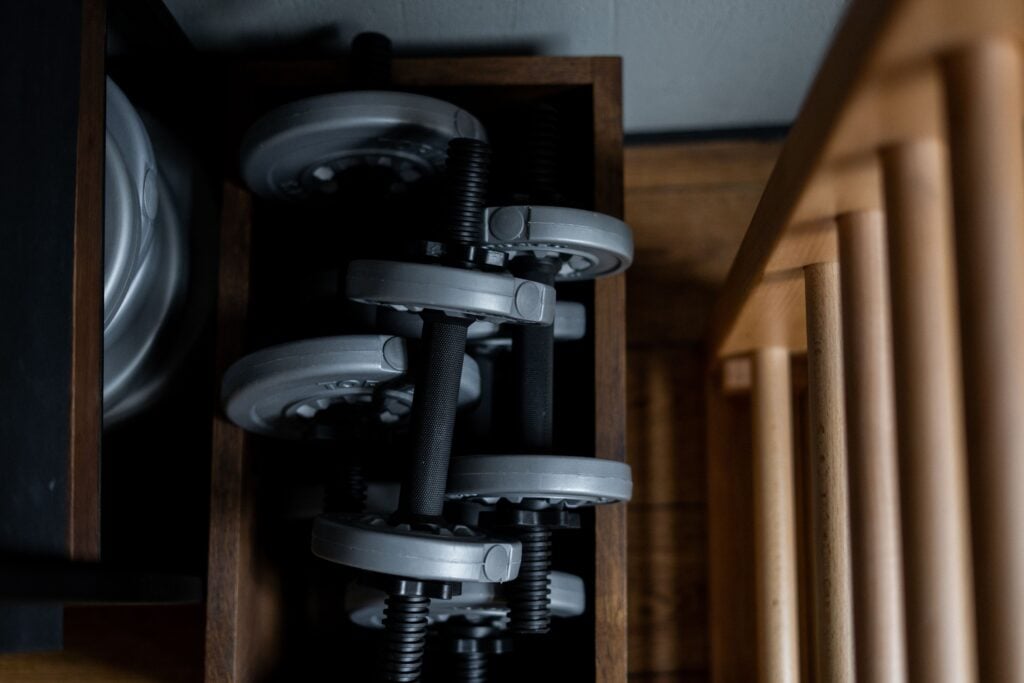
- Minimal Equipment Option: With a single pair of dumbbells, perform the heavier portion first, switch to the lighter pair, and continue without resting. For band-based finishers consider light bands as part of the drop progression for continuous tension.
Drop Sets Versus Straight Sets: A Clear Comparison
| Factor | Drop Sets | Straight Sets |
|---|---|---|
| Time Efficiency | High. More stimulus per minute of work. | Lower. Often needs multiple full sets to reach the same local fatigue. |
| Volume Control | Less precise. Harder to track exact load and effective reps across drops. | Precise. Easier to program progressive overload and track progress. |
| Technique Risk | Higher for compounds. Best for isolation or machines where form is stable. | Lower when using conservative loads and full rest between sets. |
| Recovery Demand | Higher. Produces extra local fatigue and soreness that can last 24 to 72 hours. | Variable depending on intensity and total sets. |
Programming Tips For Home Gym Owners
In a home gym with limited weights, use drop sets to make a single exercise more challenging and increase density. Keep most primary compound lifts as structured sets focused on strength or planned hypertrophy and reserve drop sets for finishers and accessory work.
Limit frequency to avoid overlapping high-fatigue sessions. A practical rule is to use drop sets on a muscle group no more than once or twice per week and track performance to ensure progress. If you need compact band options for finishers, consider lightweight mini bands to add progressive resistance or drop-style continuations during accessory work: mini bands set review and info.
Nutrition And Recovery Considerations
Because drop sets increase local muscle breakdown, prioritize **protein intake** and adequate calories to support repair. Aim for consistent protein across the day and slightly higher intake on heavy weeks where you incorporate multiple drop set sessions.
Recovery strategies such as quality sleep, regular low-intensity activity, and targeted nutrition support will blunt excessive soreness and help maintain performance. For organized options that bundle training, recovery, and nutrition guidance, consider membership-style approaches that coordinate those elements: one-stop membership for training, recovery, and nutrition.
Quick Checklist Before You Try Drop Sets
- Pick the right exercise. Use isolation or machine movements for safety.
- Keep form strict. End the drop set if technique collapses.
- Limit frequency. Use drop sets as targeted finishers, not for every set.
- Track recovery. Adjust based on soreness, sleep, and training performance.
Drop sets are a practical, efficient tool to get extra work into short sessions and to squeeze more stimulus from limited equipment. They do not replace the need for progressive overload and planned recovery. Use them selectively, monitor how your body responds, and incorporate simple gear or small bands to extend variety and manage fatigue: rep drop pad.

