

User Review
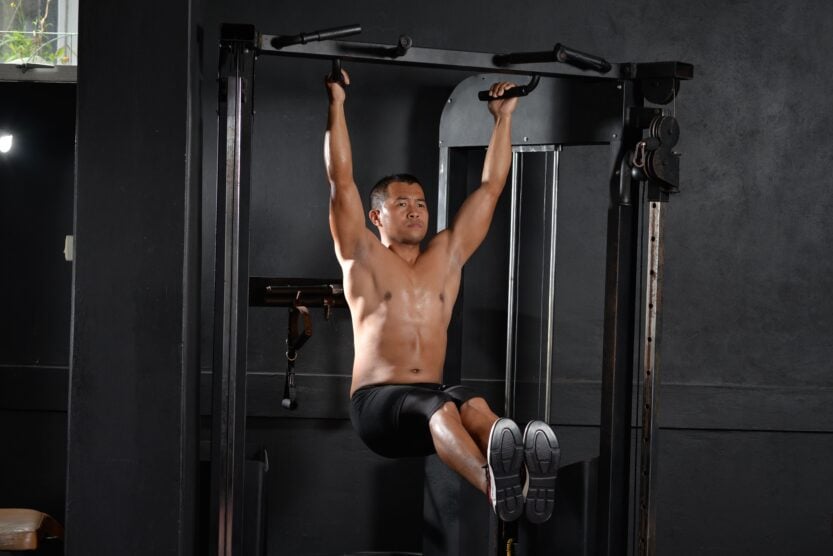
( votes)The patterned hanging leg raise has moved from a niche gym challenge to a practical skill test that matters for anyone training core strength. By combining a standard hanging raise with deliberate, multi-directional leg paths, this variation raises demands on **midline stability** and **shoulder control**, which has direct consequences for training load and injury risk.
This piece explains what the movement does, who should add it to their program, and how to progress safely so home gym owners and coaches can get the benefit without creating avoidable shoulder or lower back irritation. The emphasis is on **practical progressions**, program placement, and equipment choices you can use in a garage gym or commercial facility.

Premium Ab Slings Straps - Rip-Resistant Heavy Duty Pair for Pull Up Bar Hanging Leg Raiser Fitness - Ab Exercise Equipment, Superb Arm Padding for Abdominal Training Workout Equipment
What The Pattern Adds To A Basic Hanging Leg Raise
At its core, the move preserves the vertical hang but layers in precise leg trajectories that require the athlete to trace a path rather than simply lift the legs. That change increases demand for **thoracic stability** and forces continuous anti-rotation effort from the obliques and rectus abdominis.
Because the body must resist small swings while the legs follow controlled arcs, the shoulders and scapular muscles work harder to maintain a stable hang. The result is a movement that feels harder than a conventional hanging raise despite similar range of motion, because it couples **dynamic core control** with ongoing scapular stabilization.
Who Should Work Toward This Variation

This is an advanced option best suited to athletes and experienced trainees who can already perform strict hanging knee raises and maintain scapular position during hangs. People who regularly train toes-to-bar or controlled knee-up variations will adapt fastest because they already have the required **grip endurance** and hip flexor tolerance.
Avoid introducing patterned hanging raises if you have recent shoulder surgery, persistent shoulder pain, or a history of symptomatic lumbar disc issues. Beginners should master hollow body position, dead hangs, and single-plane hanging raises before layering patterns, and should consider grip aids if forearm fatigue limits practice.
Step-by-Step Progressions To Build The Skill
Progress deliberately through stages that isolate the limiting factor rather than attempting the full pattern immediately. Prioritize motor control and gradual exposure to hanging demands.
- Floor hollow holds to learn posterior pelvic tilt and sustained midline tension.
- Dead hangs and scapular pulls to develop shoulder stability and limit unwanted swing.
- Strict hanging knee raises with a slow 2-3 second ascent to ingrain vertical hip flexion control.
- Single-arc patterning where you move the legs through one controlled direction before attempting multi-axis sequences.
- Controlled eccentrics from a higher leg position to build eccentric tolerance in the hip flexors.
How To Manage Training Load And Recovery
The patterned variation is an effective, high-intensity stimulus for the anterior core and hip flexors, but it can also be a source of cumulative tissue stress if overused. Program it as a skill or accessory stimulus rather than a main hypertrophy lift and watch for increasing soreness in the hips or low back as a sign to reduce volume. Low weekly frequency during the learning phase helps preserve recovery capacity.
When you introduce it, start with low sets and long rest intervals and follow with lighter posterior chain work on recovery days to maintain balance. If grip or shoulder fatigue is limiting progress, use short practice sessions focused on quality rather than chasing total reps.
Where To Put The Exercise In Your Session
Place patterned hanging raises toward the end of the workout after heavy pressing or squatting so you perform them as a technical accessory. Performing them when fresh increases the chance of momentum compensations and reduces transfer to other lifts. Use a **low-volume, high-focus** approach while you are learning the movement.
- Frequency: **One to two sessions per week** during the skill acquisition phase.
- Sets and Reps: Begin with **2 to 4 sets of 4 to 8 controlled reps** and prioritize technical precision.
- Progression: Increase complexity or volume only after current work is clean and pain-free.
Equipment Choices For Home Gyms And Gyms
A solid pull-up bar is sufficient for full pattern work. If hanging stresses the shoulders or grip too much, a captain’s chair provides the same hip flexion demand with reduced shoulder loading. For trainees who want to protect the hands while practicing the pattern, consider using hanging ab straps that offload grip and shift demand toward the midline and hips.
Other low-risk alternatives include lying leg raises and cable-resisted crunches to build hip flexor strength and core endurance without prolonged hangs. If grip remains a limiting factor during progressions, small investments in grip aids or straps can extend practice time and speed skill acquisition. You can also use Spud Inc hanging ab straps for sessions focused on patterning rather than grip conditioning.
How The Patterned Version Compares To Standard Variations
| Movement | Difficulty | Primary Stress | Best For |
|---|---|---|---|
| Standard Hanging Leg Raise | Moderate | Hip flexors and anterior core | General core strength and progression to toes to bar |
| Patterned Hanging Leg Raise Variation | High | Core control plus shoulder and scapular stability | Advanced core training and movement control work |
| Lying Leg Raises | Low to Moderate | Hip flexor isolation, low shoulder demand | Beginners and rehabilitation settings |
Technique Flaws To Watch And Corrective Drills
Several common faults turn a well-intentioned drill into a compensatory pattern. Look for excessive swing, persistent lumbar arch, and creeping shoulder elevation. Each of those issues can be corrected with targeted drills rather than more repetitions.
- Excessive swing: Reduce leg travel, pause briefly at top of the arc, and reset the scapula before each rep.
- Lumbar arch: Use hollow body holds and emphasize posterior pelvic tilt cues during the rise and descent.
- Shoulder creep: Program scapular pulls and short-duration dead hangs to restore scapular mechanics before increasing complexity.
Actionable Advice For Coaches And Home Trainers
If your aim is to develop **dynamic midline control** and movement precision, patterned hanging raises are a valuable addition as a skill and accessory element. They should not replace compound lifts or heavy posterior chain work, but rather complement them by improving carryover in athletic positions.
Start with the simpler building blocks, make sure scapular and grip readiness are in place, and monitor recovery closely. If grip or shoulder capacity lags, temporarily use hanging ab straps to practice the pattern without compromising technique. Scale back at the first sign of persistent irritation and prioritize steady, low-volume practice to build durable control over time.
Ready to try it this week? Establish hollow body time, secure your dead hang, and add short, slow partial patterns at the end of a session. That method gives you the technical benefit while keeping training sustainable and safe.

