

User Review
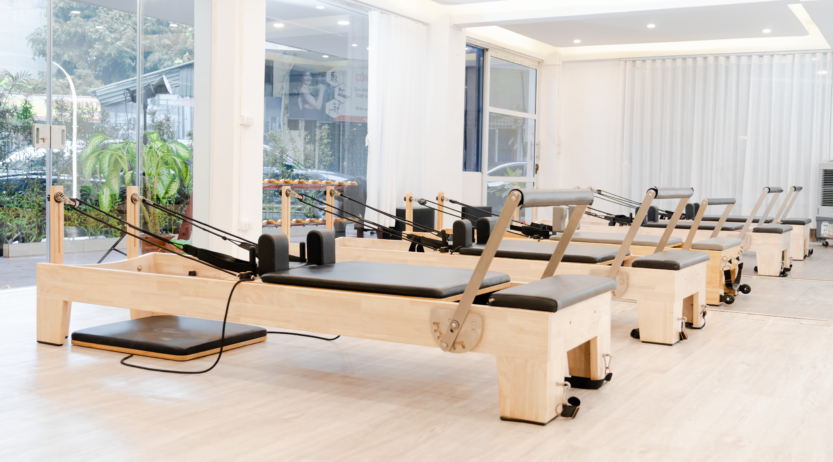
( votes)SotoMethod has opened a studio in Dallas, moving beyond its two New York City locations and signaling a deliberate step from streaming-only offerings into physical classes. For people who train at home or manage a garage gym, that matters because it shows another on-screen fitness brand investing in in-person coaching, scheduled classes, and the kind of atmosphere that streaming alone cannot replicate.
The development highlights the appeal of hybrid fitness. Brands that built audiences with video and apps are increasingly adding real-world studios to capture members who want both convenience and accountability. Dallas makes sense as a test because the Dallas-Fort Worth region ranks among the largest U.S. metros and contains a broad customer base that supports boutique studios and specialty classes.
For everyday athletes and home gym owners this is not corporate theater. It is about where consumers spend time and money. Even with a solid equipment setup, many trainees still pay for coached sessions, structured class time, or a community that helps maintain consistency. That pull toward coaching and social accountability remains strong.
SotoMethod’s Dallas studio reframes the brand’s footprint
What we can state clearly is simple: SotoMethod now operates in Dallas and New York City. Moving into a new market suggests the company is testing whether on-demand awareness can translate into steady studio traffic and recurring local revenue. Dallas itself is a large market; the city population is roughly 1.3 million and the metro area houses about 7.6 million people (as of 2023), making it one of the top U.S. metropolitan regions for fitness demand.
Opening a location outside the original city typically means the concept has passed a set of internal criteria for repeatability. Dallas is a common first expansion market because it combines population density with a growing boutique scene and a consumer base that spends on fitness experiences. That does not guarantee rapid scaling, but it does shift SotoMethod from a single-city pilot to a multi-city operator.
Why in-person studios still matter alongside streaming

On-demand workouts solved a timing problem and lowered barriers to entry for many people. But convenience does not always create habit. Accountability, live coaching, and real-time feedback are elements that streaming struggles to deliver reliably, especially for learning complex lifts, fixing technique, or staying motivated week to week.
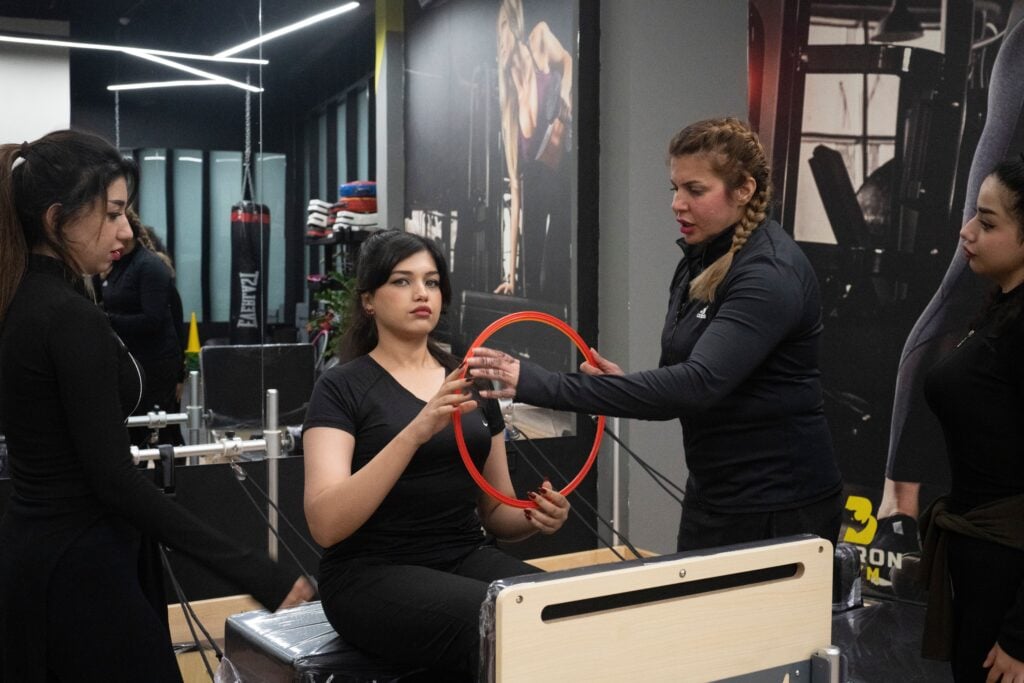
Physical studios provide several advantages that matter for results: hands-on cueing to reduce injury risk, scheduled sessions that improve adherence, and peer energy that increases effort and focus. For trainers and gym owners this means hybrid models are not a compromise; they are a way to serve different needs from a single brand.
Practically, that looks like a membership mix that supports:
- Busy people who use streaming for travel days or tight weeks
- Regular class-goers who prefer live instruction and community
- Beginners who need guided coaching before they train alone
- Strength athletes who supplement home barbell work with mobility or conditioning classes
What Dallas members and local studios should expect
When a digital-first brand opens a studio, it changes the local landscape. For consumers that usually means more variety in class styles, schedules, and programming. For competing studios the arrival can be a prompt to sharpen programming, improve member services, or adjust pricing and class times.
Digital-native brands often arrive with an audience, which shortens the awareness curve compared with a completely local launch. That advantage can accelerate sign-ups early on. Still, brick-and-mortar operations come with practical costs: staffing, space rental, equipment, and retention systems. Running a quality studio requires consistent operations, and early branches often reveal whether a brand can maintain standards across locations.
Other fitness companies have followed similar paths from online to real estate. Examples of recent expansion strategies and leadership moves in the sector show how many brands balance digital reach with physical presence, including cross-market rollouts and leadership hires aimed at supporting growth that expand operational capacity and franchise strategies used in U.S. rollouts.
How this trend reshapes the fitness industry
The shift from pure streaming to hybrid memberships reflects a broader commercial logic. Digital content lowers acquisition costs and builds awareness, while studios offer higher-margin, recurring revenue and deeper member engagement. Combining content and locations creates multiple revenue streams and can increase lifetime value per customer if both channels are executed well.
Operationally, brands with strong digital libraries can use user location data and engagement patterns to pick new markets with better odds of success. That reduces guesswork in site selection, though it does not remove the day-to-day challenges of staffing, lease negotiation, and retention. For local operators, that means competition will increasingly be informed by national programming quality and not just local reputation.
For context, other major brands have pursued similar geographic or concept expansions, ranging from funding-backed projects in major cities to franchise-style growth plans that aim to scale membership models across markets while testing new formats in metropolitan areas.
Practical takeaways for home gym owners and athletes
If you manage training at home, SotoMethod’s move is still relevant. Hybrid studios compete for your training hours as well as your membership dollars. That can be a benefit: more options to mix coached sessions with solo lifting or conditioning means you can design a plan that fits time and goals.
From an equipment and programming perspective, most home setups remain fully capable for strength work. A power rack, barbell, adjustable dumbbells, and a conditioning tool cover the bulk of progress. But for skills, technique, and motivation, in-person classes can accelerate learning and help maintain consistency. Use studio classes to complement heavy lifting days rather than replace them, and you will often get more value from both investments.
Potential upsides and downsides for Dallas consumers
More local options usually improve choice. The upside for Dallas trainees includes new class formats, instructor styles, and scheduling that might better fit varying work and family schedules. A strong new entrant can also push local studios to raise their standards.
The downside is that not every concept migrates perfectly. Consumer preferences, pricing elasticity, and local commuting patterns differ between cities. What sells well in New York may need adjustment in Texas. Success in a new market depends on execution and local fit, not just brand recognition.
Digital fitness versus studio fitness compared
| Format | Main Advantage | Main Limitation | Best Fit For |
|---|---|---|---|
| On-demand workouts | Convenience and flexibility | Lower accountability and limited hands-on coaching | Travel, busy weeks, home training |
| Physical studio classes | Community, structure, and live instruction | Commute and scheduling friction | People who want coaching and routine |
| Hybrid membership | Multiple ways to stay consistent | Can be costly or underused if habits are unclear | Members who split training between home and studio |
Signals to monitor from SotoMethod
At the moment the verifiable change is simple: SotoMethod has added a Dallas location to its New York presence. What matters next are operational signals that reveal whether this is a pilot or the start of a wider roll out.
Watch for indications such as:
- Announcements of additional cities
- How memberships blend streaming access with studio benefits
- Whether pricing and class formats are adapted locally
- How the company staffs and systems new locations
Those signals will show whether the company is building a repeatable local experience or testing single-market demand. For individual trainees, nothing about your current training needs to change immediately. But more hybrid offerings mean more options to mix coached sessions with independent work.
How this development matters for consistent training
The practical truth behind these business moves is straightforward: People maintain fitness when the format fits life. Some weeks require the convenience of streaming. Other weeks reward the social pressure and technique coaching of a studio class. SotoMethod’s Dallas opening is evidence that brands expect members to value both.
For home gym owners and coaches, the takeaway is tactical. Use in-person classes to learn movement patterns, test intensity under supervision, or add accountability during phases when adherence matters most. Keep heavy strength training in the garage or home gym if that is where you make the most progress. Mixing formats smartly maximizes time, results, and value.

